Retreat mode
Netherlands galore
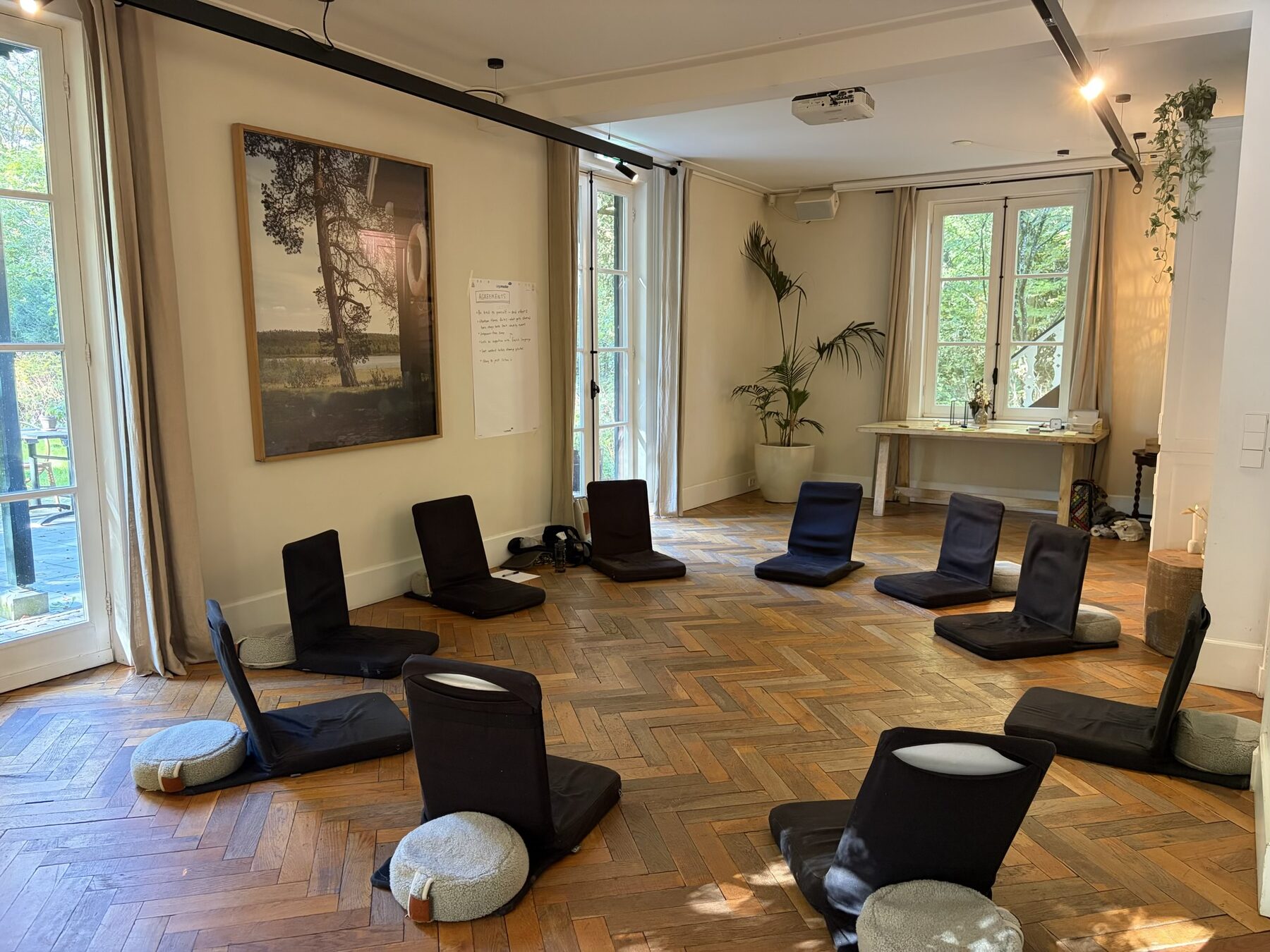
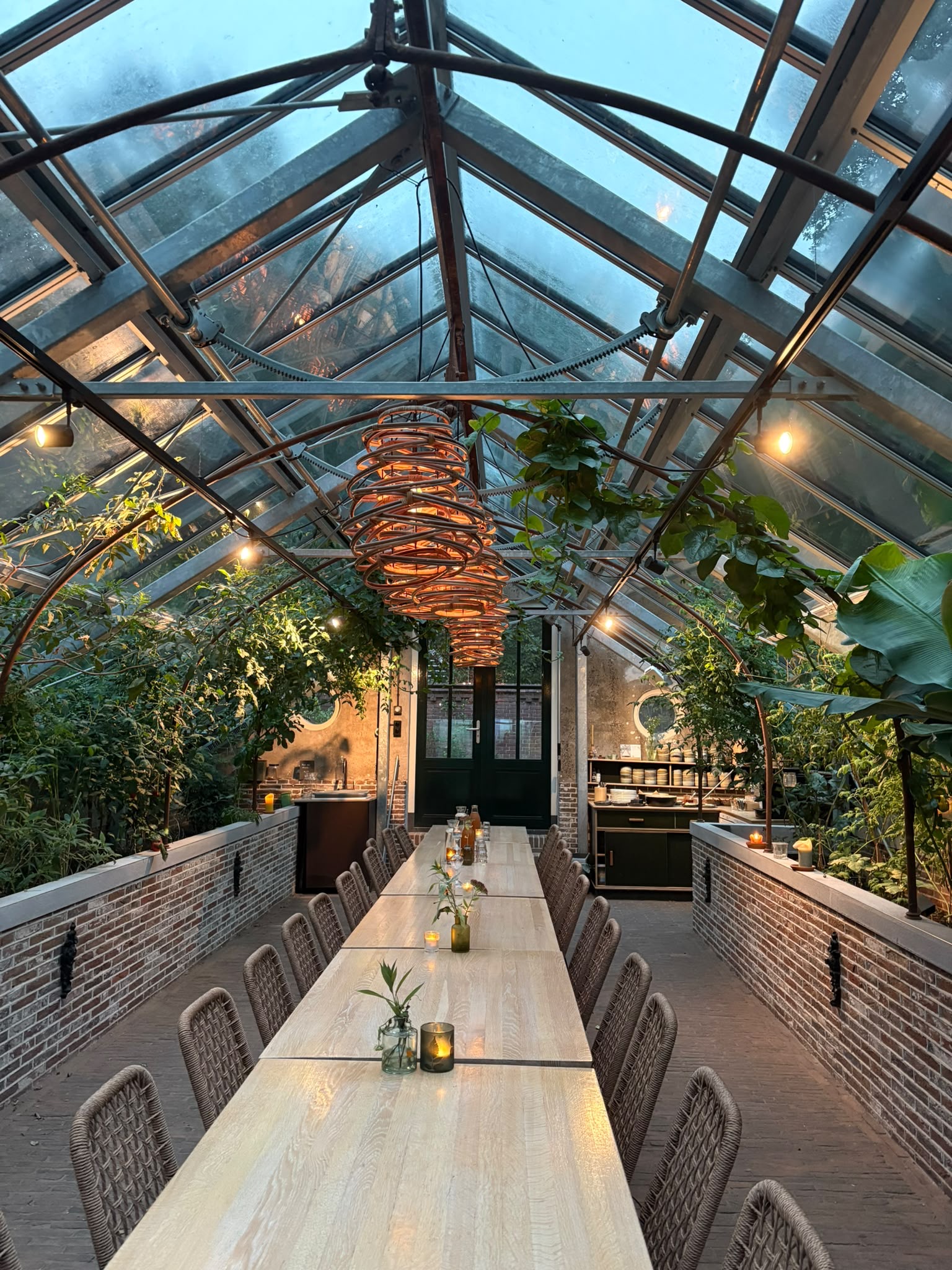
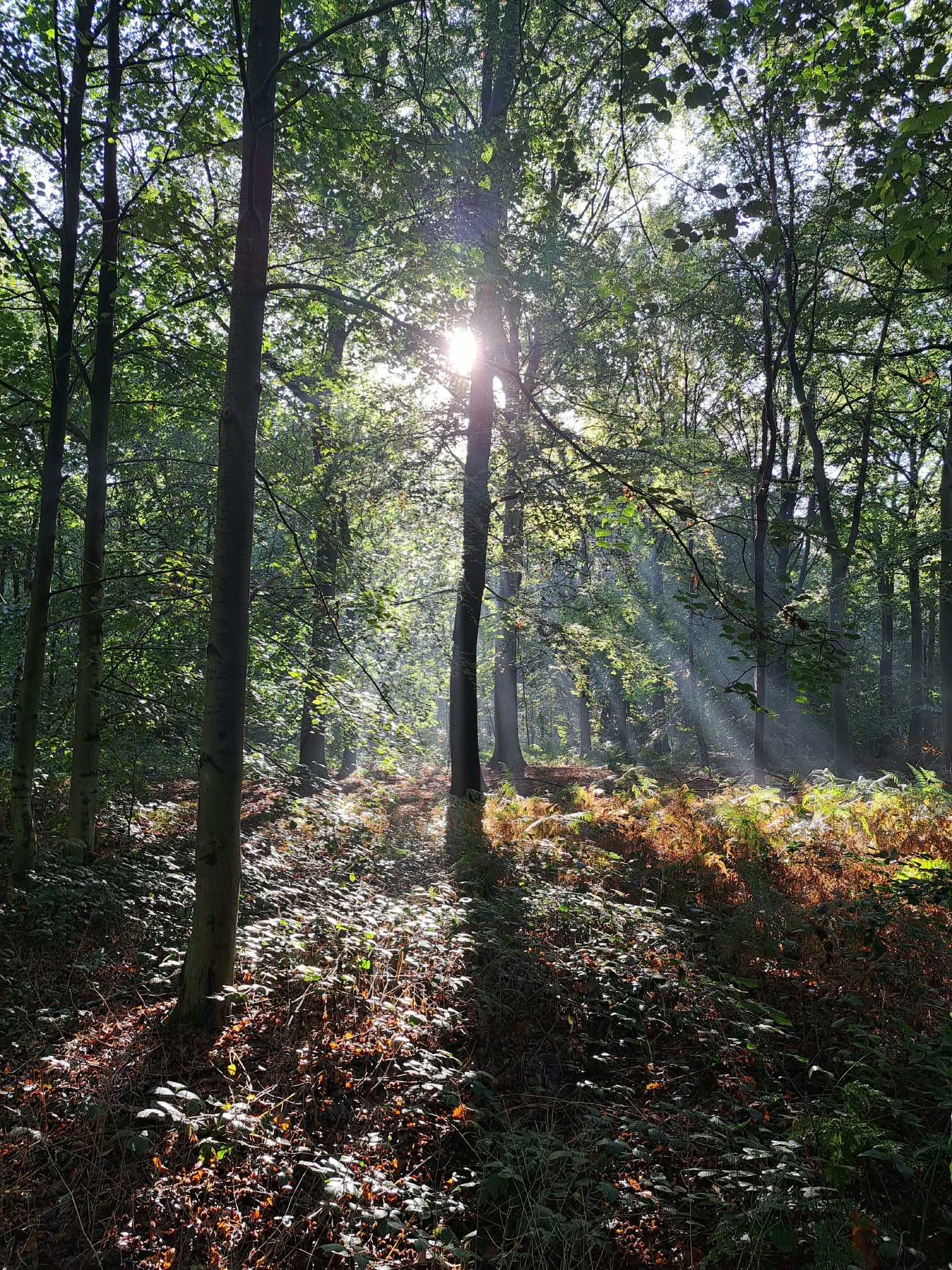
I spent the first half of the week co-hosting the ReConnect retreat in a beautiful forest estate in Hilversum, about half an hour away from Amsterdam. Kathleen and I welcomed eight UX research leaders—brilliant, generous and dedicated—to work on strategy, unbothered by as few commitments and daily frictions as possible, in a conversational space that nurtured trust, honesty, and connectedness.
I’m still marvelling at the breakthroughs and groundedness of clarity achieved. As coaches and facilitators, it’s what we design for, and dearly hope for… and it’s always an honor to witness the thrill of the realizations. This retreat is particularly gratifying for me because the participants are also industry peers. I also benefit from being uplifted, connected and inspired!
Prior to Hilversum, Kathleen and I had lunch in Amsterdam, where we also caught a retrospective of the Austrian filmmaker Ulrich Seidl at the Eye Filmmuseum. Seidl creates films of seemingly ordinary individuals, people who try to, in their own ways, make something of life in a late-capitalist society in which meaning has been replaced by consumerism. Indeed, that description is a perfect expression of what I saw…
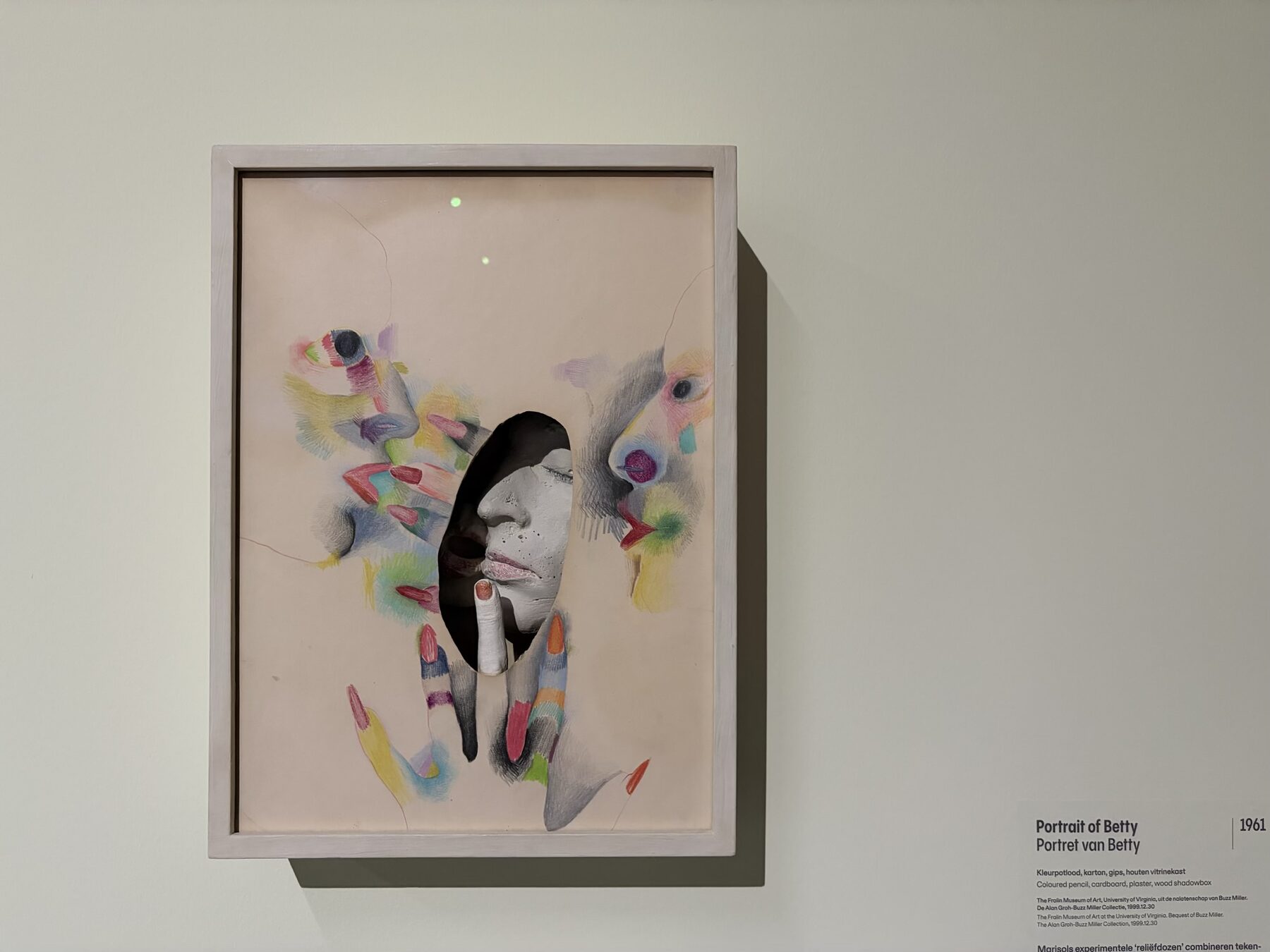
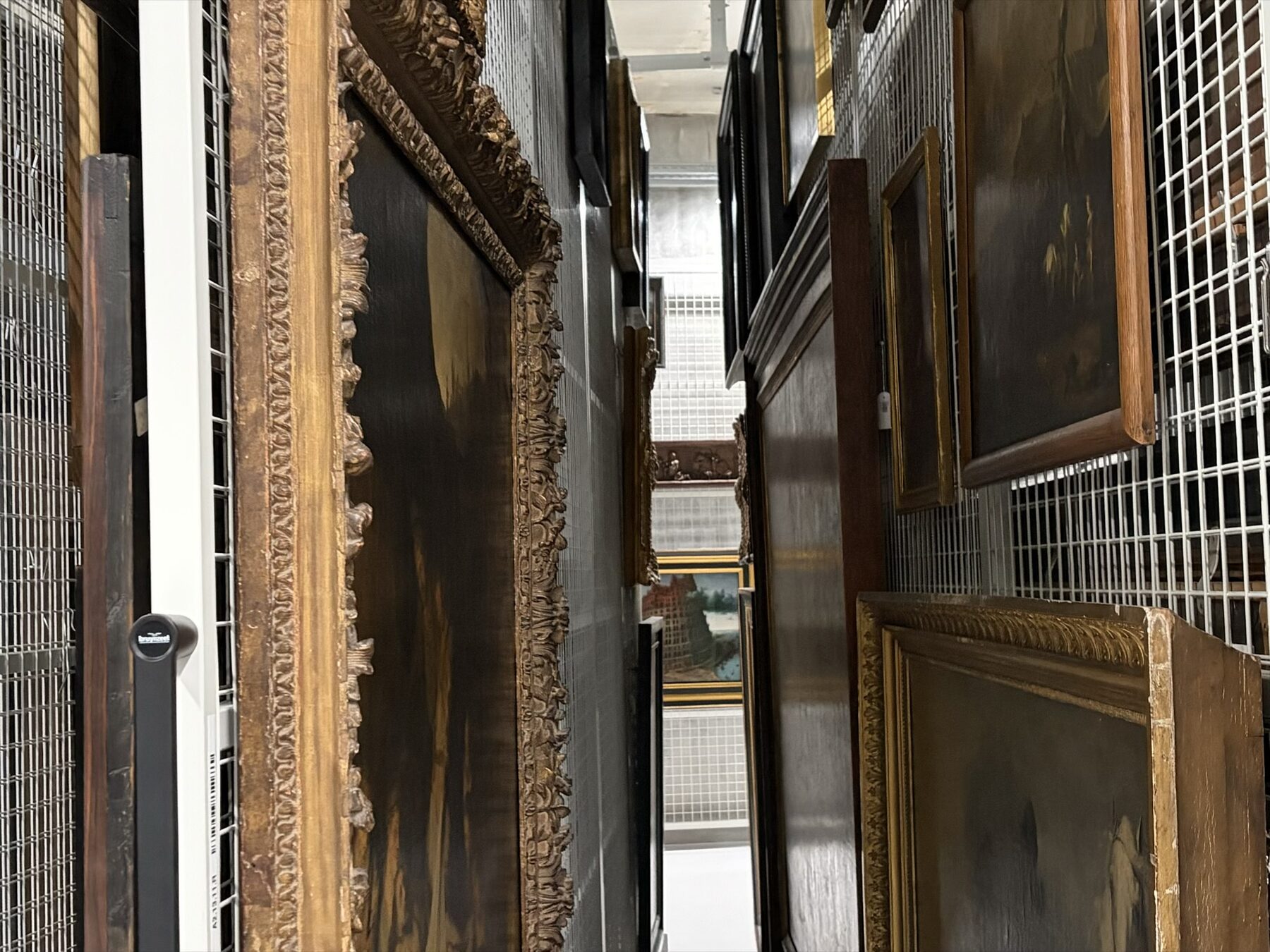
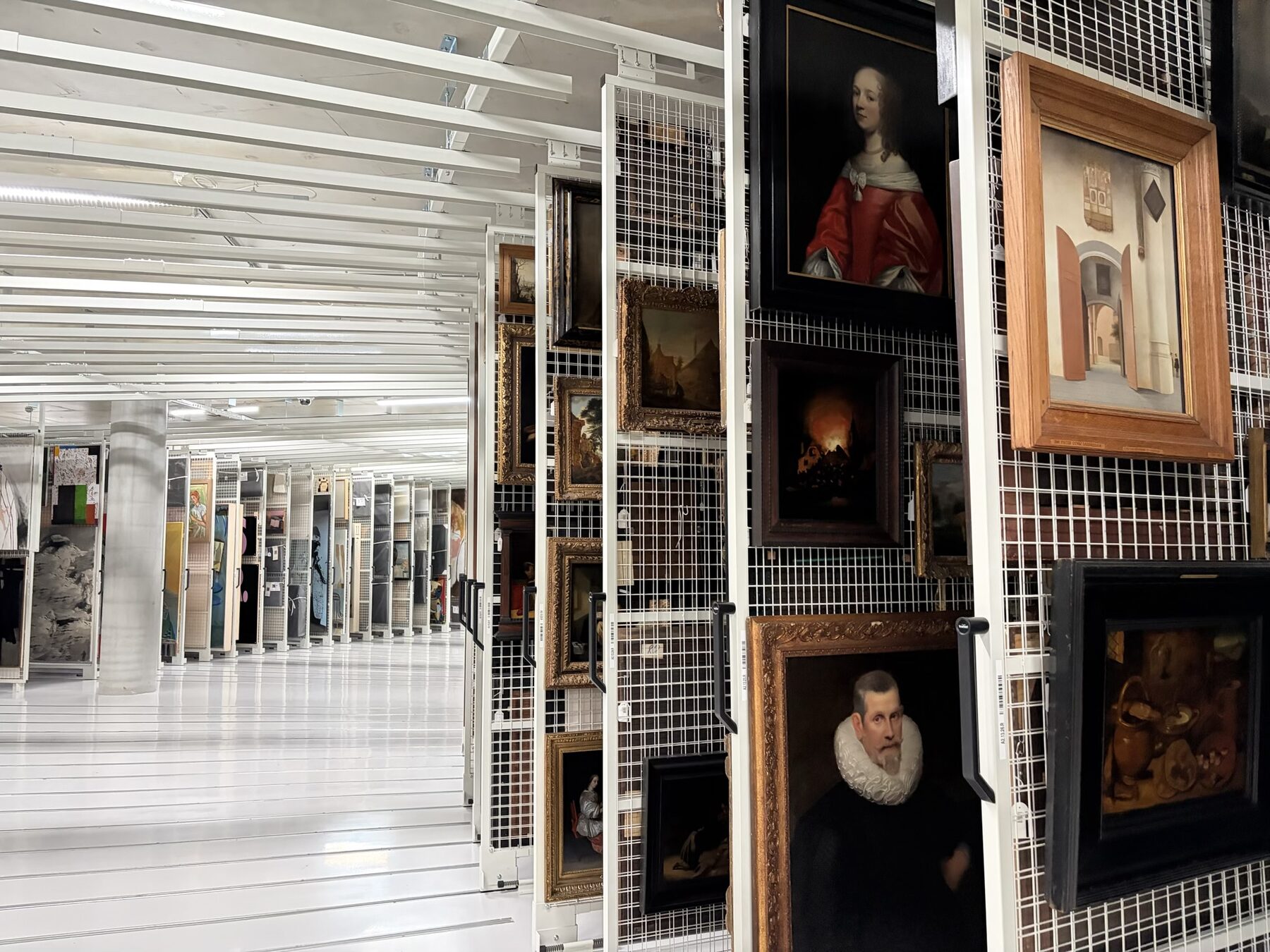
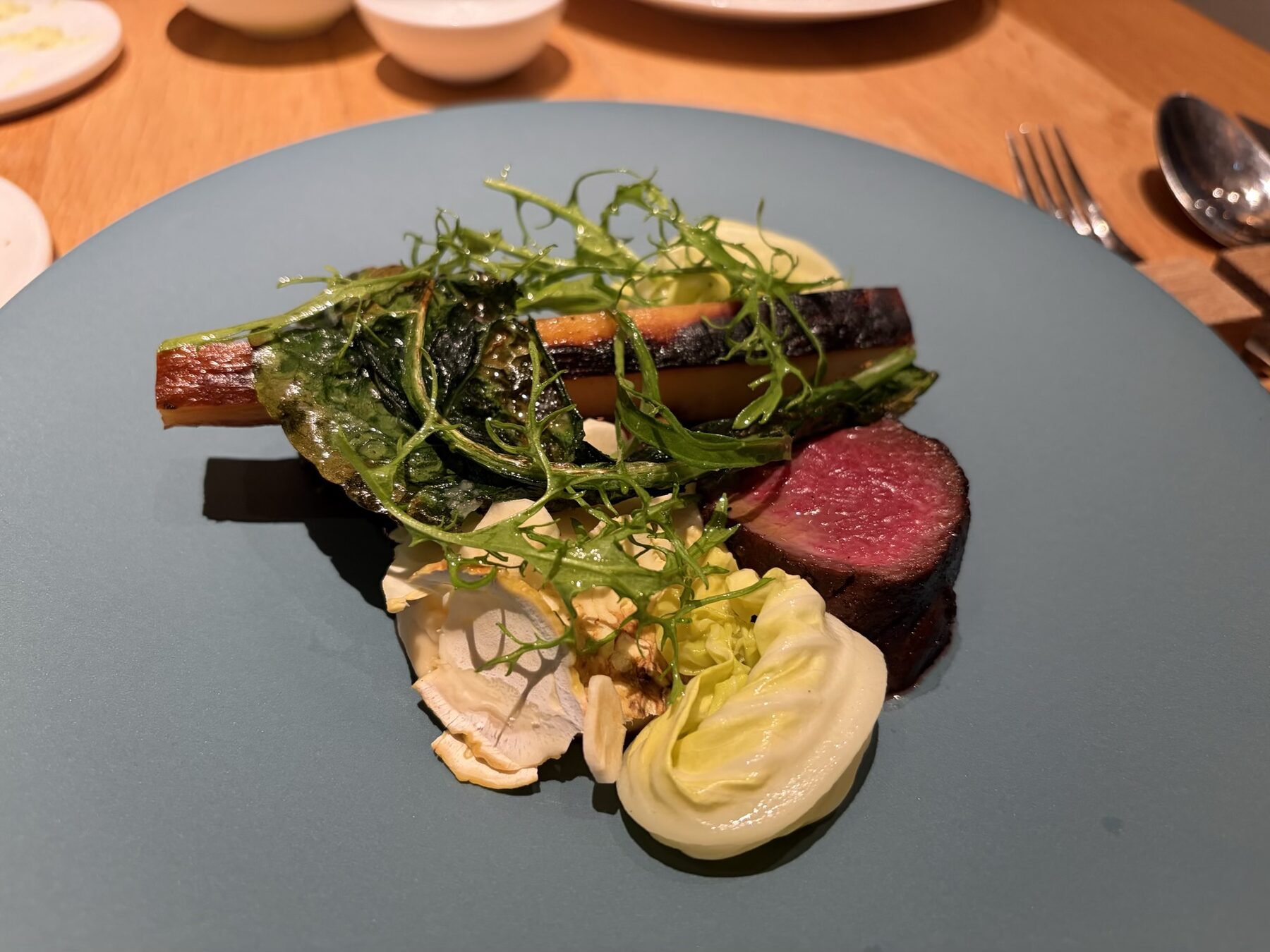
After the retreat, I spent a few days in Katwijk aan Zee, near Leiden, with an AQ colleague. We took in the beach, checked out a windmill museum, and hopped over to Rotterdam to visit the Depot of Museum Boijmans Van Beuningen, the “world’s first publicly accessible art storage facility”. I’d gotten a combined ticket that included museum entry, a tour of some of the storage rooms and dinner. I’m so fascinated by this place.
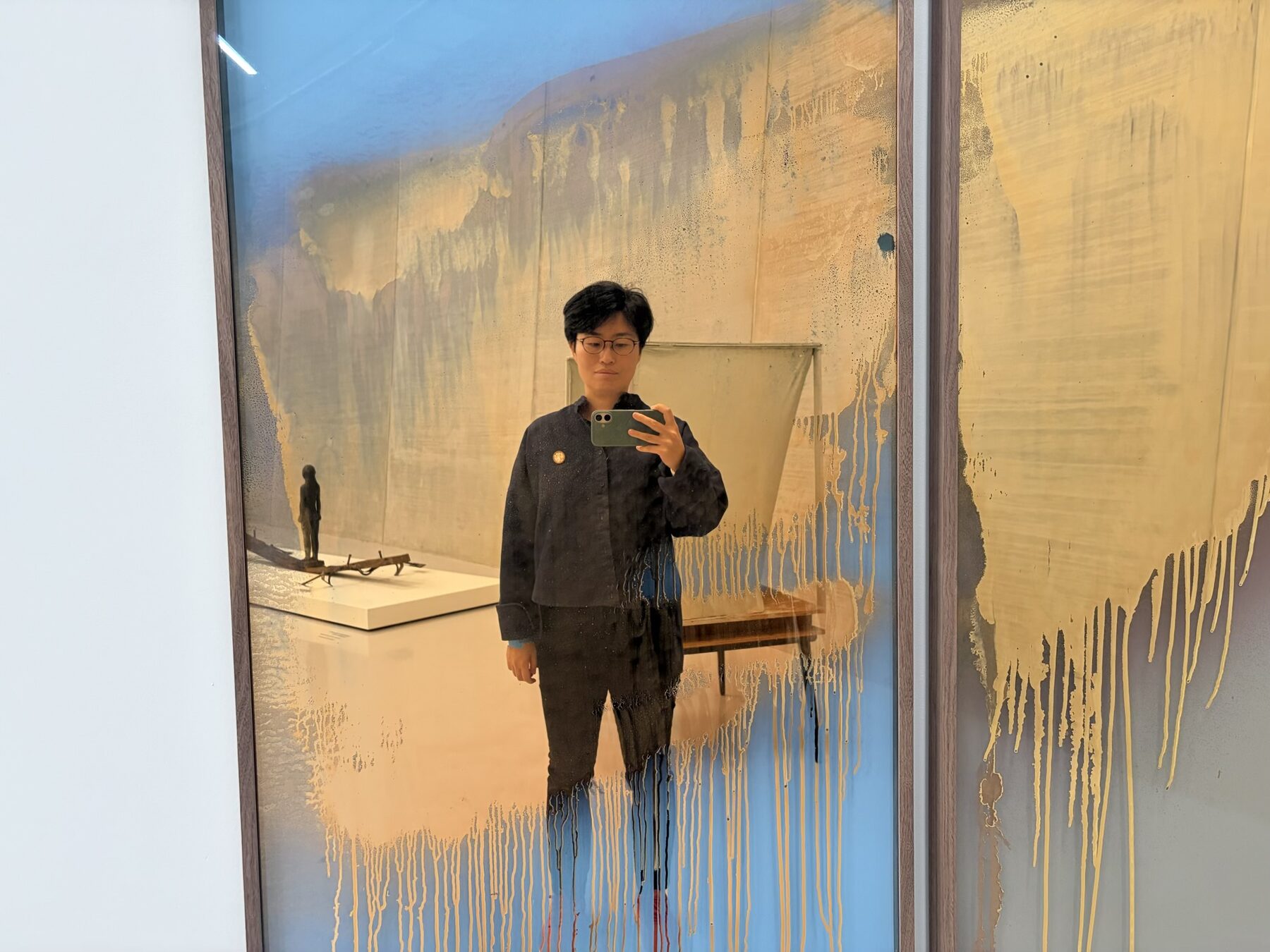
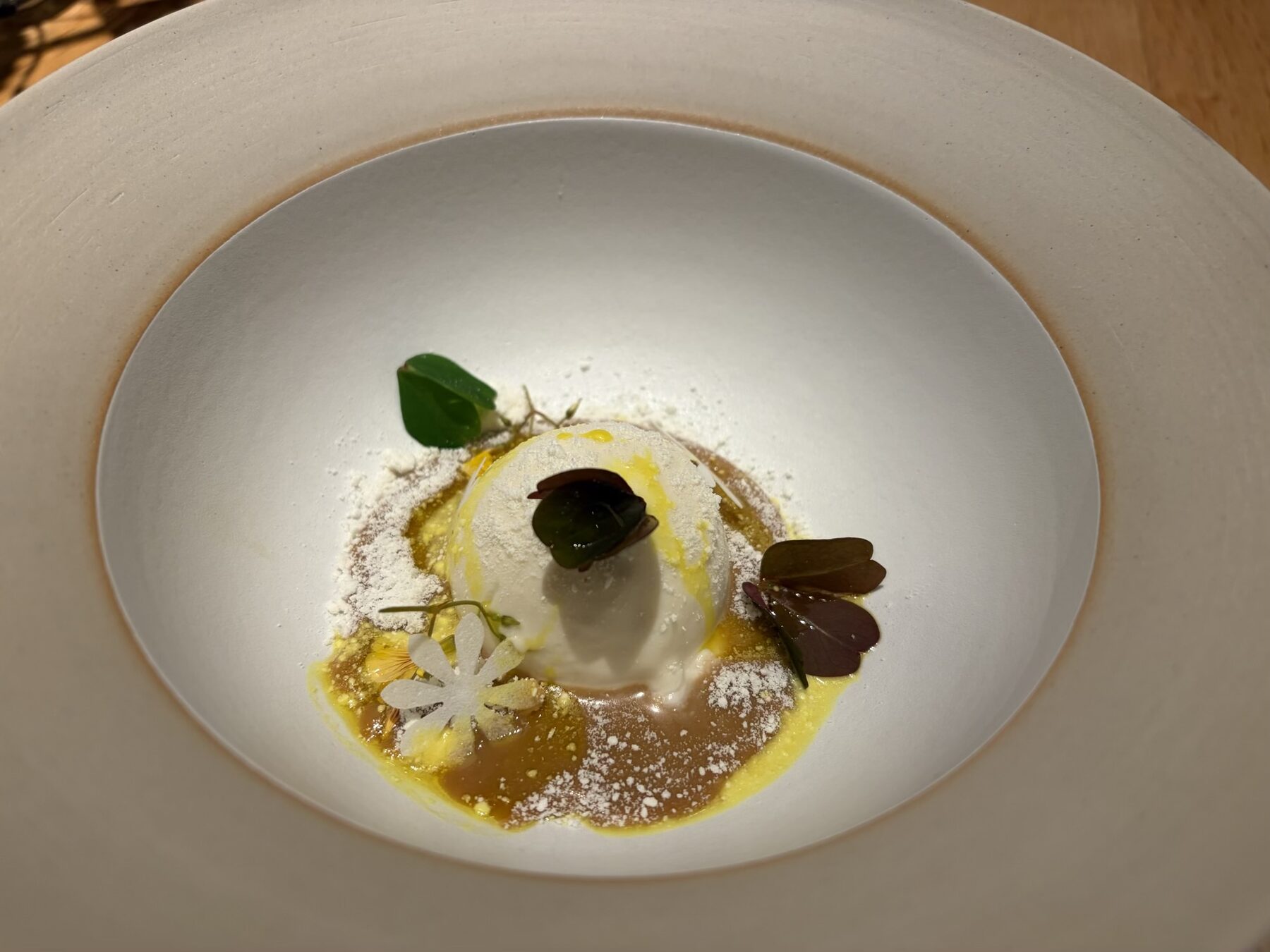
On the weekend, we moved to Eindhoven for Dutch Design Week. I’d visited in 2024 and was looking forward to the injection of inspiration. We primarily toured the grad shows and it didn’t disappoint. One more day would have been nice, to visit some of the other sites, but it’s time to go home.
It’s been a huuuuuge week.
A cover of Charles Trenet's 'Que reste-t-il de nos amours?'
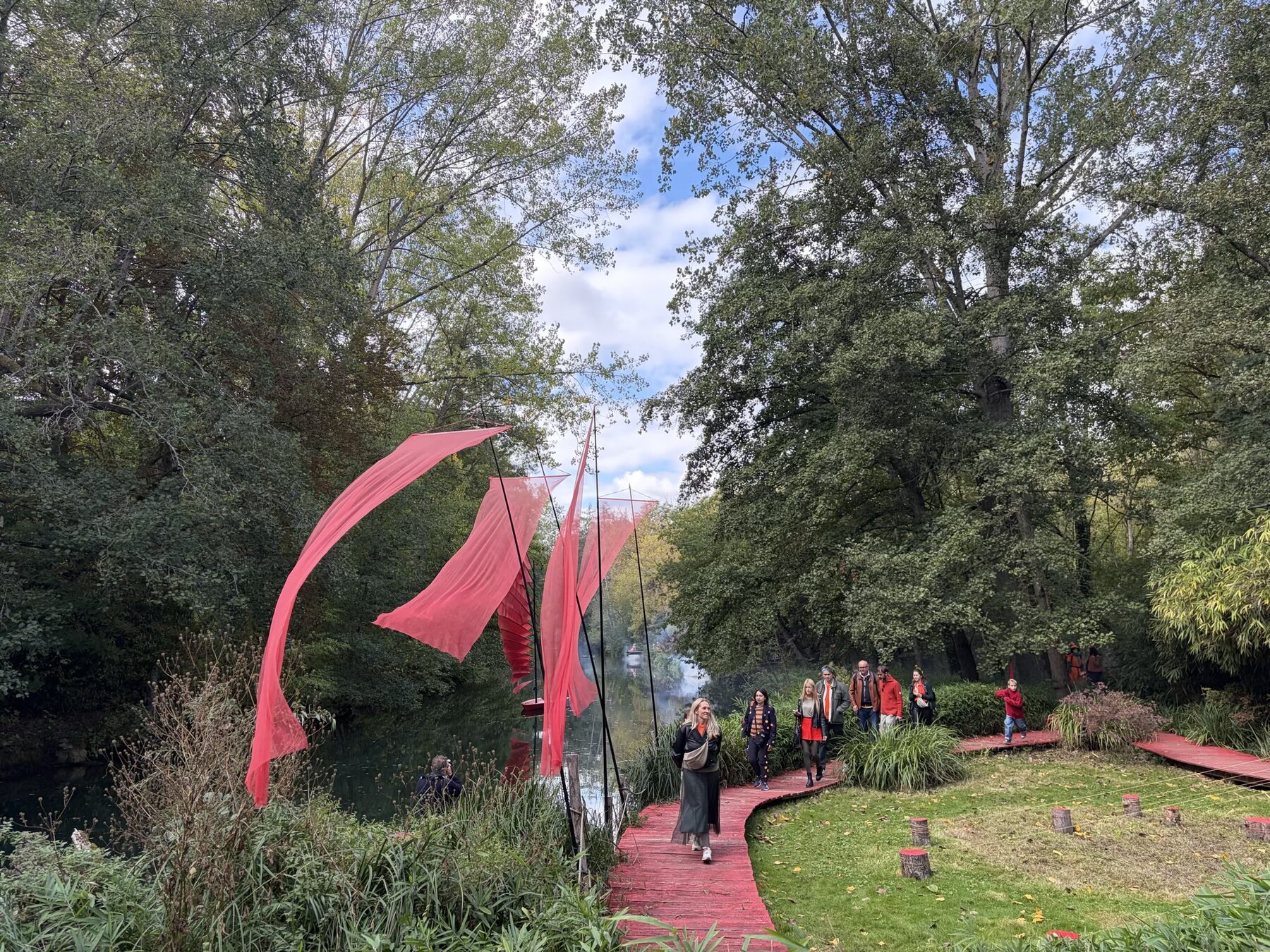
Maison Jaune
Carrots, green figs, and a poem
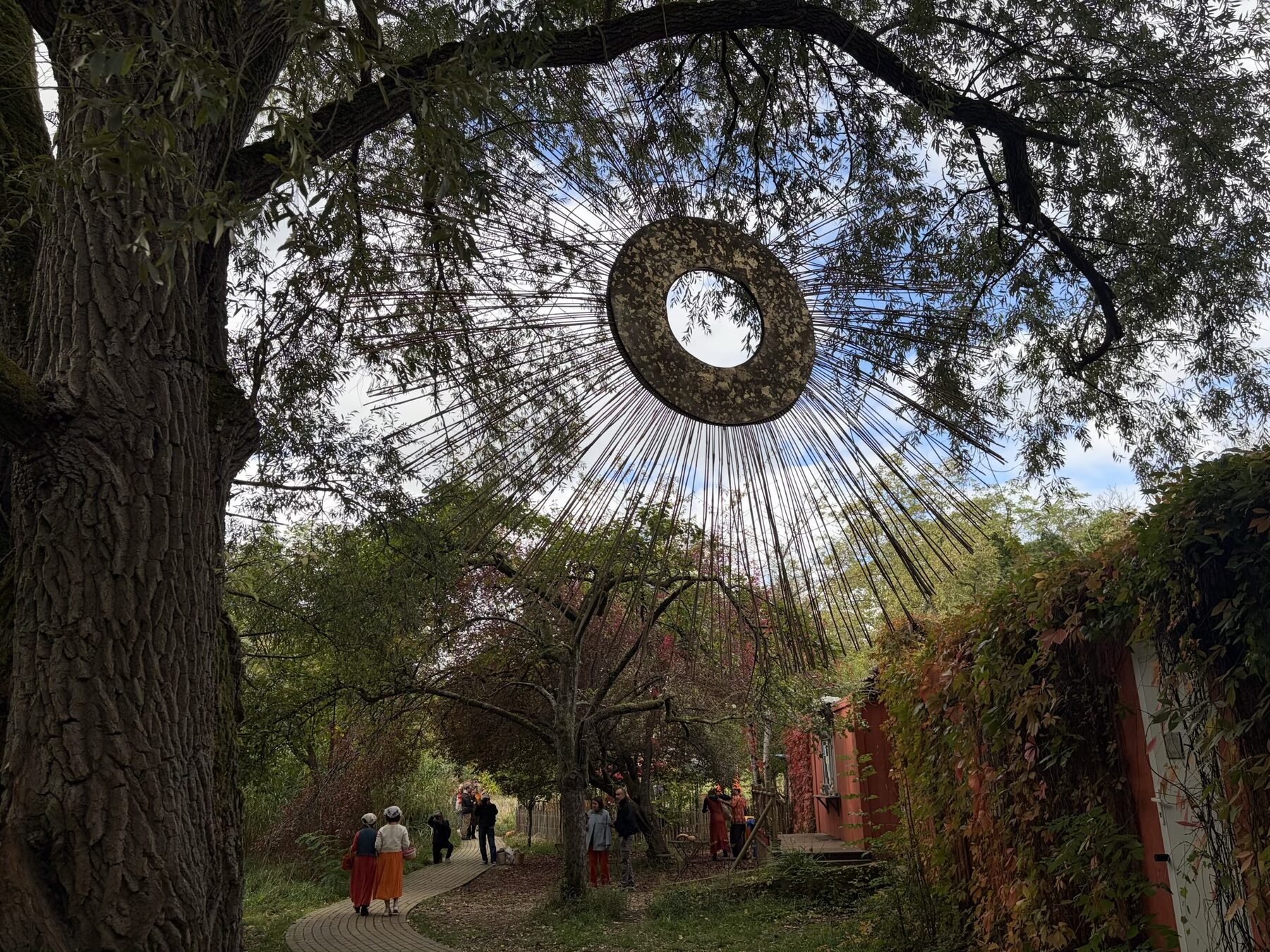
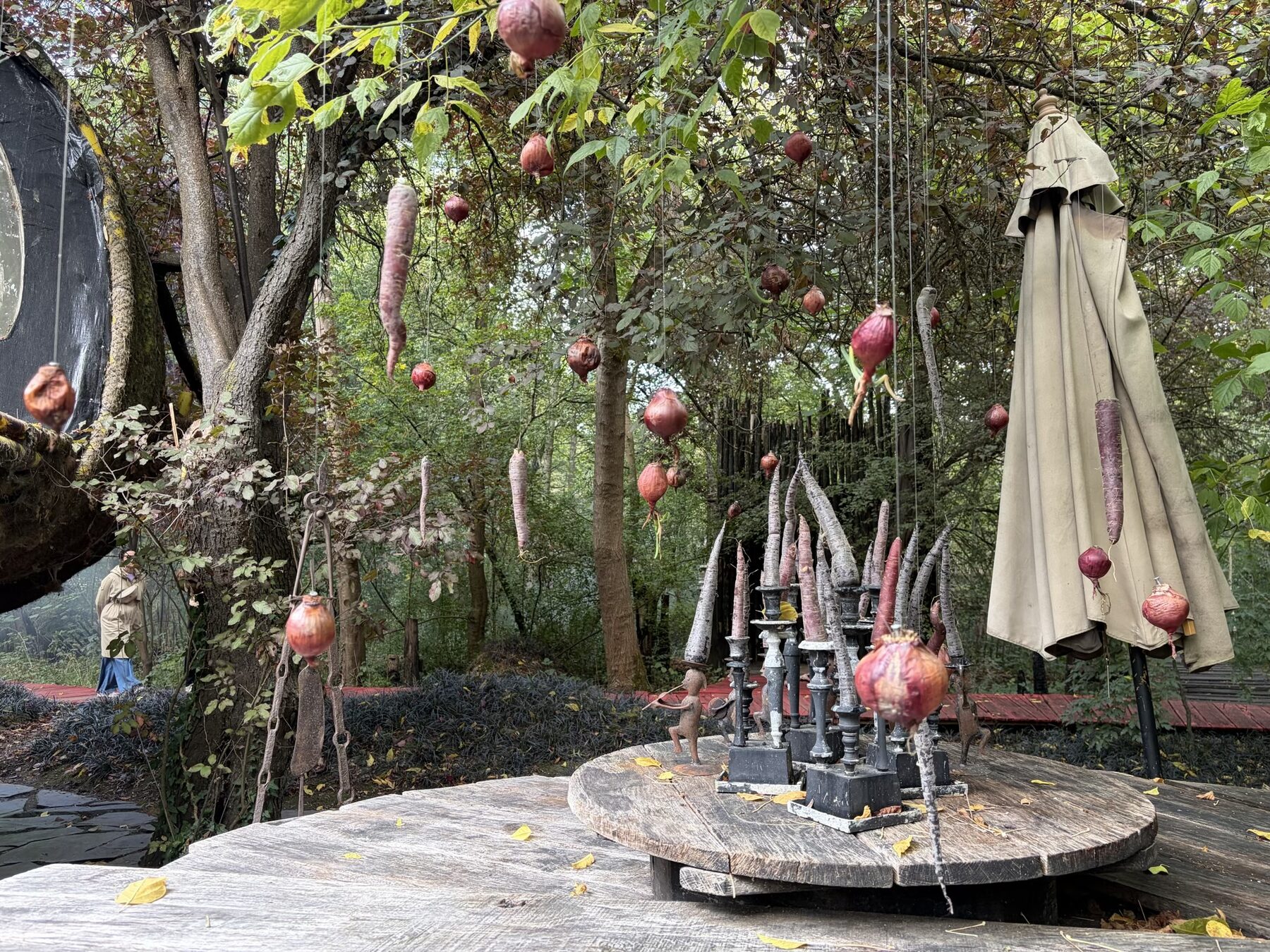
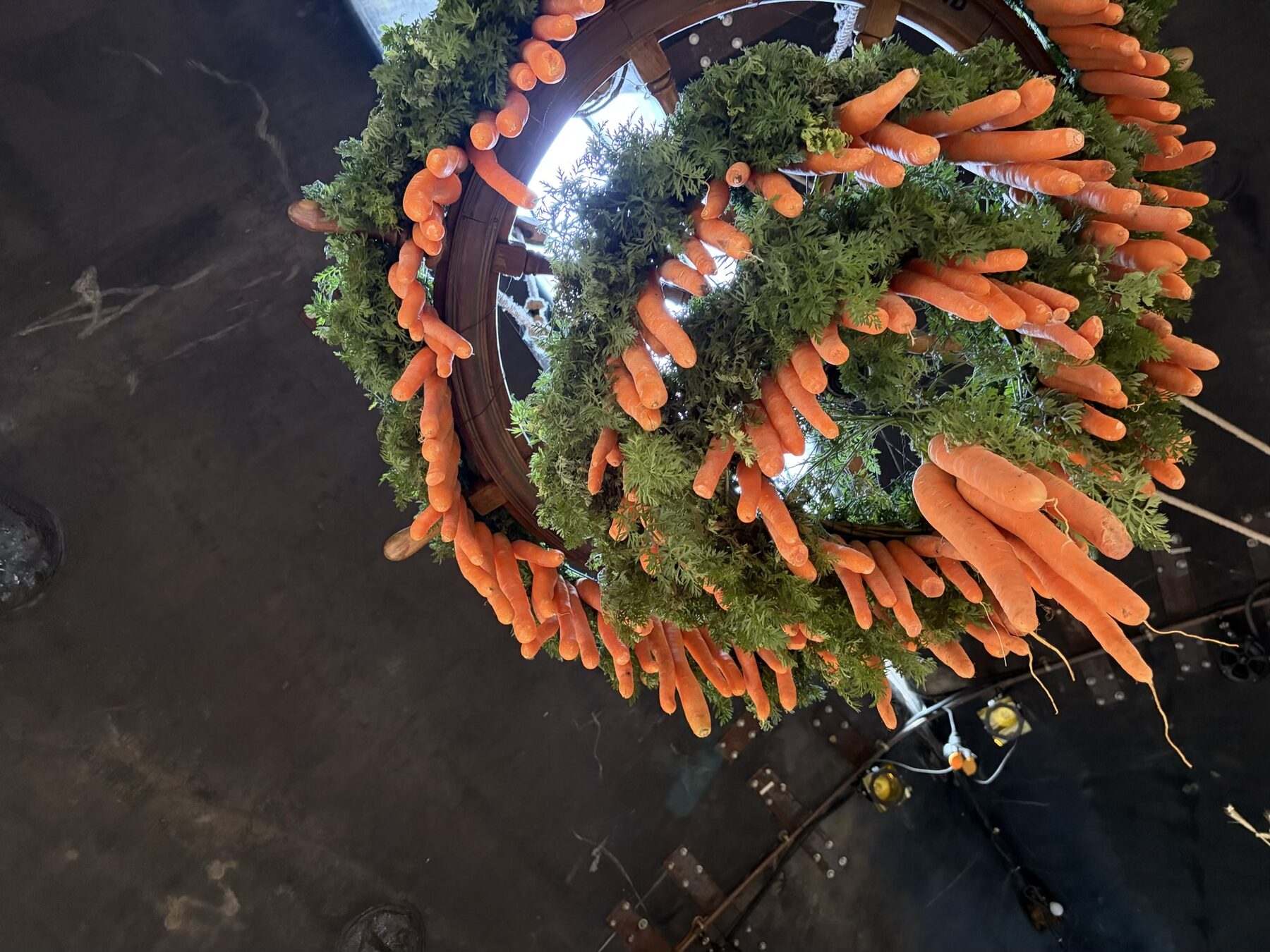
I had a magical time at Fête de la Carotte at Maison Jaune, a theater-garden and artistiс residence about an hour outside of Paris. A bonus was tasting pelmeni, Russian dumplings, for the first time.
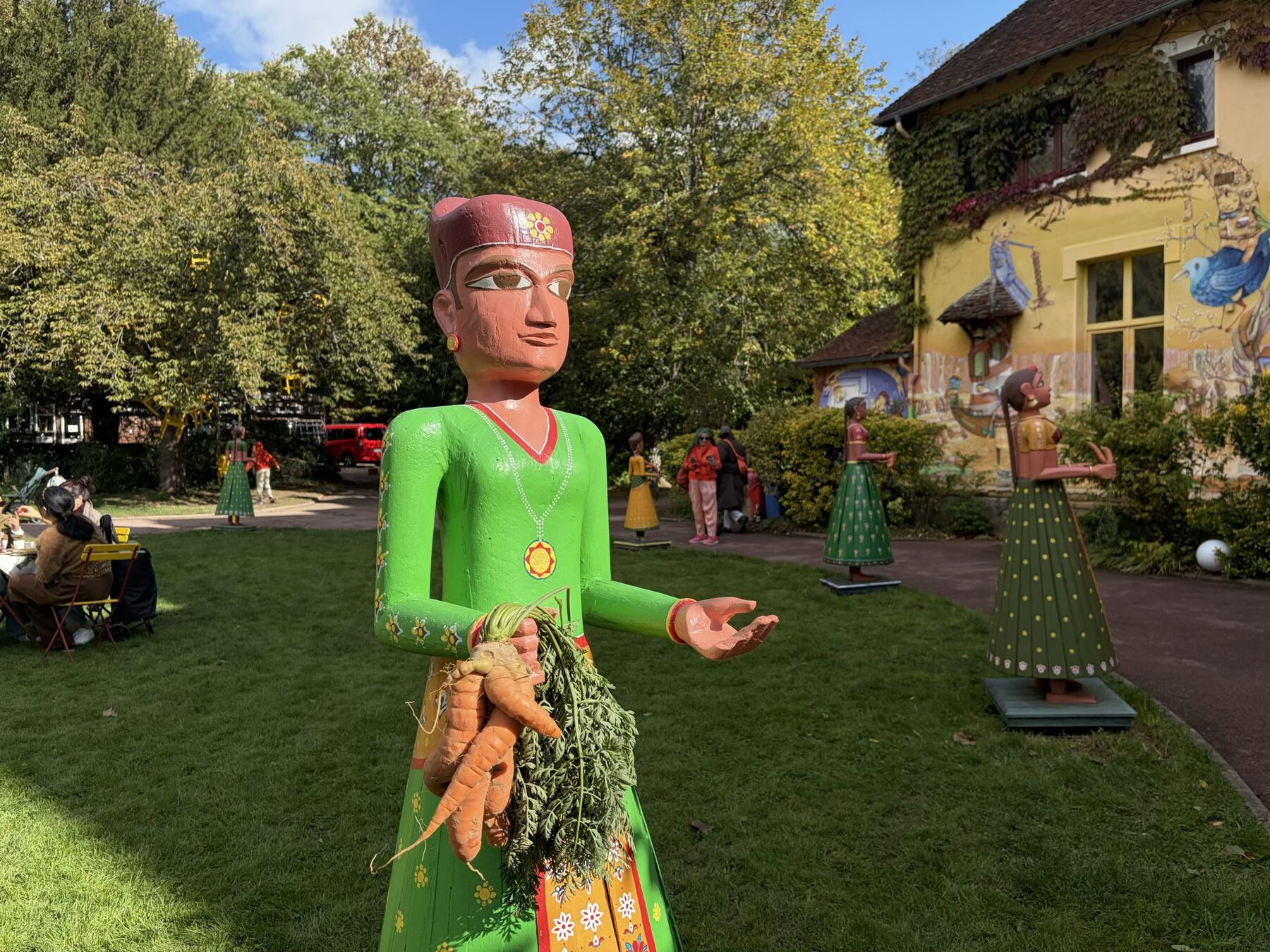
Speaking of food experiences, I have a new favorite fruit: green figs. Tasted fresh for the first time in Greece, after our Airbhb host plucked a generous bagful from his backyard. I bought home dried figs (long gone now!) and a jar of fig jam. As often happens when you notice something for the first time, I started seeing it everywhere. I spied fresh green ones at a fruit-and-veg shop in my neighborhood. Biscuits with figs. Amuse-bouches with caramelized fig on mascarpone. It’s been fun.
I sat down with my Kindle as I was winding down one night, and it opened on a Japanese poem that had spoken to me a while back. On a whim, I decided to try my hand at translating it into English, as a way of grapping with the material. I really enjoyed the worthsmithing process, and feel pretty satisfied with how it turned out!
The poem is called “Your own sensitivity, at least” (自分の感受性くらい) by the postwar poet Noriko Ibaragi. She wrote it as a message to herself.
Your own sensitivity, at least
Don’t blame other people
for your heart drying up, crumbling.
When you yourself aren’t watering it.
Don’t blame your friends
that you’re becoming a grump.
Which one of us is losing our grace, anyway?
Don’t blame your family
because you’re irritated again.
It was I, who was clumsy in all of the things.
Don’t blame your day-to-day
for your youthful aspirations fading.
It was but a frail ambition from the start…
Don’t blame the changing times
for all that isn’t working.
The abandonment of the last glimmer of dignity.
Your own sensitivity, at least!
Protect it yourself.
You fool.
Also posted, optimistically, on LinkedIn.

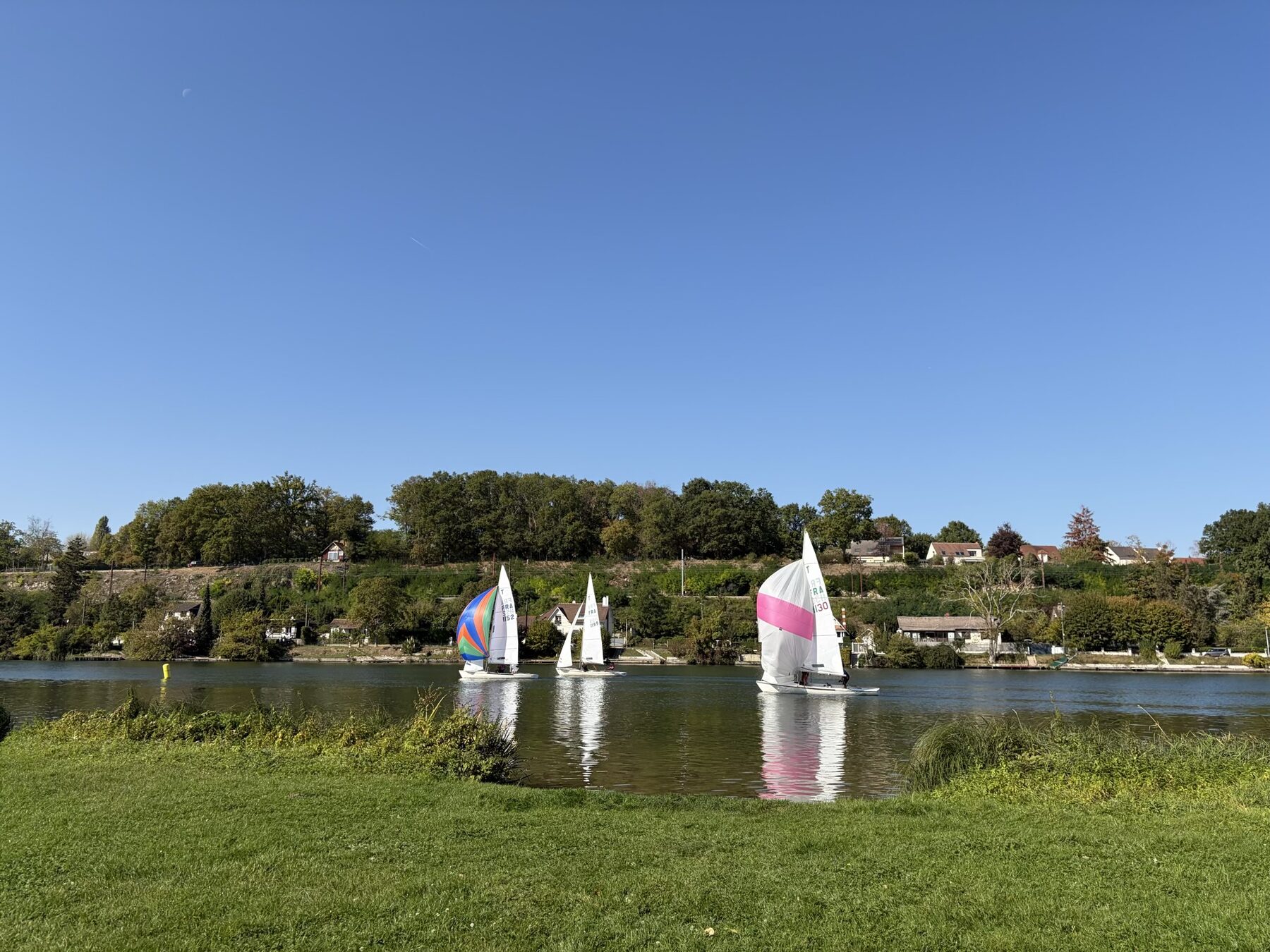
At Seine-Port, on a long ride outside of the city
Re-entry
After time away, people typically re-enter their home and work systems with brute force. Jumping head-first into enormous to-do lists, we deprioritize re-connecting with loved ones and colleagues, let alone tend to our physical health.
My re-entry game was already quite mature after a decade of going between Paris and Tokyo. But it was mostly about passive recovery, and my Gestalt training experience, with weeklong modules in a different country every 3 months, elevated it to be meaningful and rejuvenating.
After the Athens module, I spent a week on the open road and sea, catching up on sleep, and enjoying time with my sister. Coming home and starting the work week in Paris, I felt grounded and healthy ☺️
No matter that I’ve barely read any books the past month, and sadly lost my Weeknote publication streak of a year! I’ll soon get back to both, in the meantime, happy to catch up with friends and appreciate the beautiful city that I’m lucky to call home.
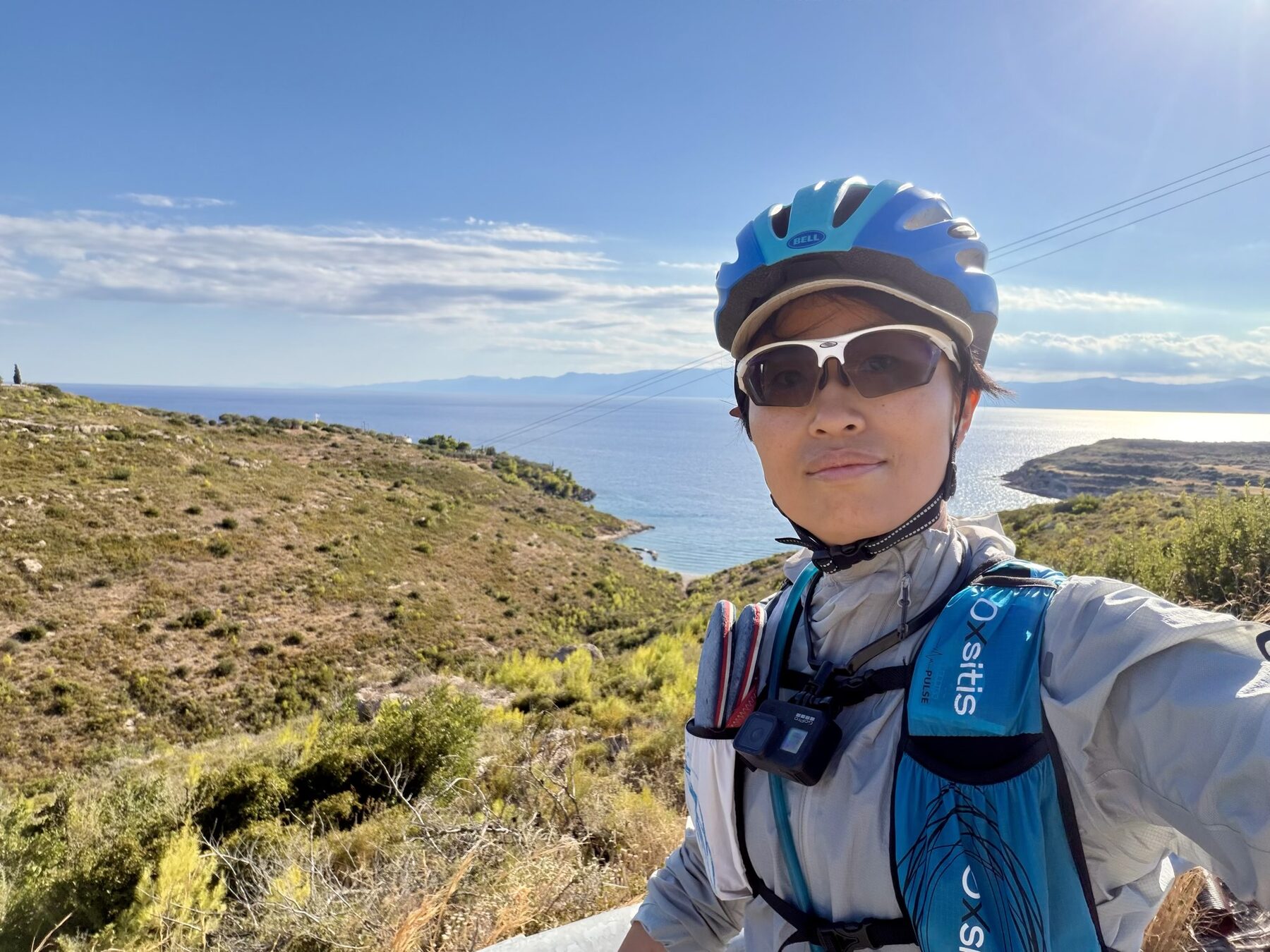
With my bike and the Aegean sea
Cycling Peloponnese
I’ll write up a trip report soon enough, just to note here that my sister E and I went on a cycling adventure in the east-most “finger” of the Peloponnese peninsula and the island of Spetses.
I had such a good time!
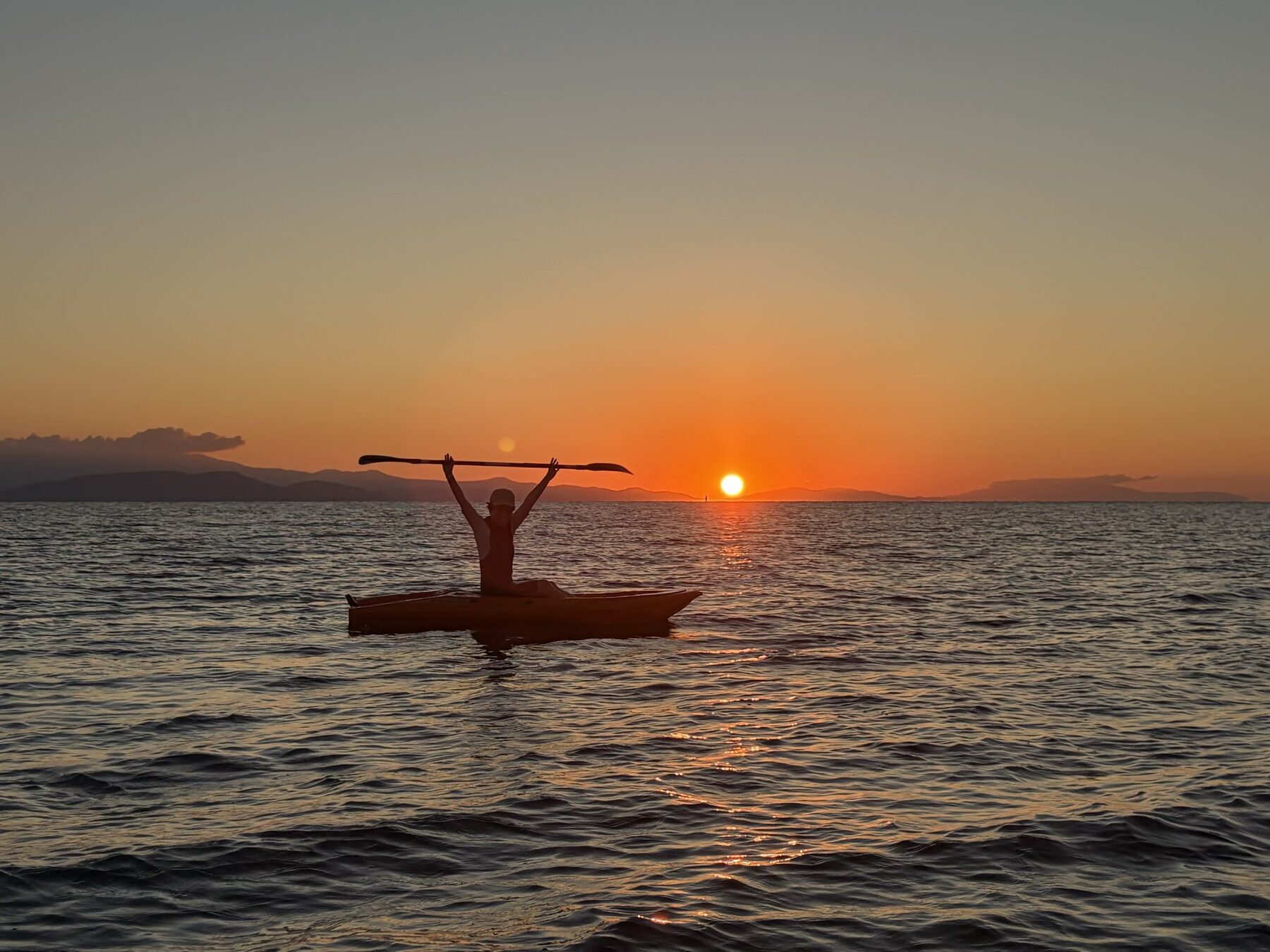
Greeting the sunrise
In a Gestalt bubble
It was a very enriching week outside of Athens, in a happy bubble for the fifth and final module of the International Gestalt Organization & Leadership Development Program that I started in September 2025.
We trained on how to facilitate and lead organizational and social transformation in large, complex systems from for seven days straight. It turned out that I’m already quite familiar with the theory and practices (hint: it’s participatory and emergent) which gave me confidence in my seemingly disparate experiences of the past decade. We closed all of the official configurations that we’d been in, and celebrated our graduation.
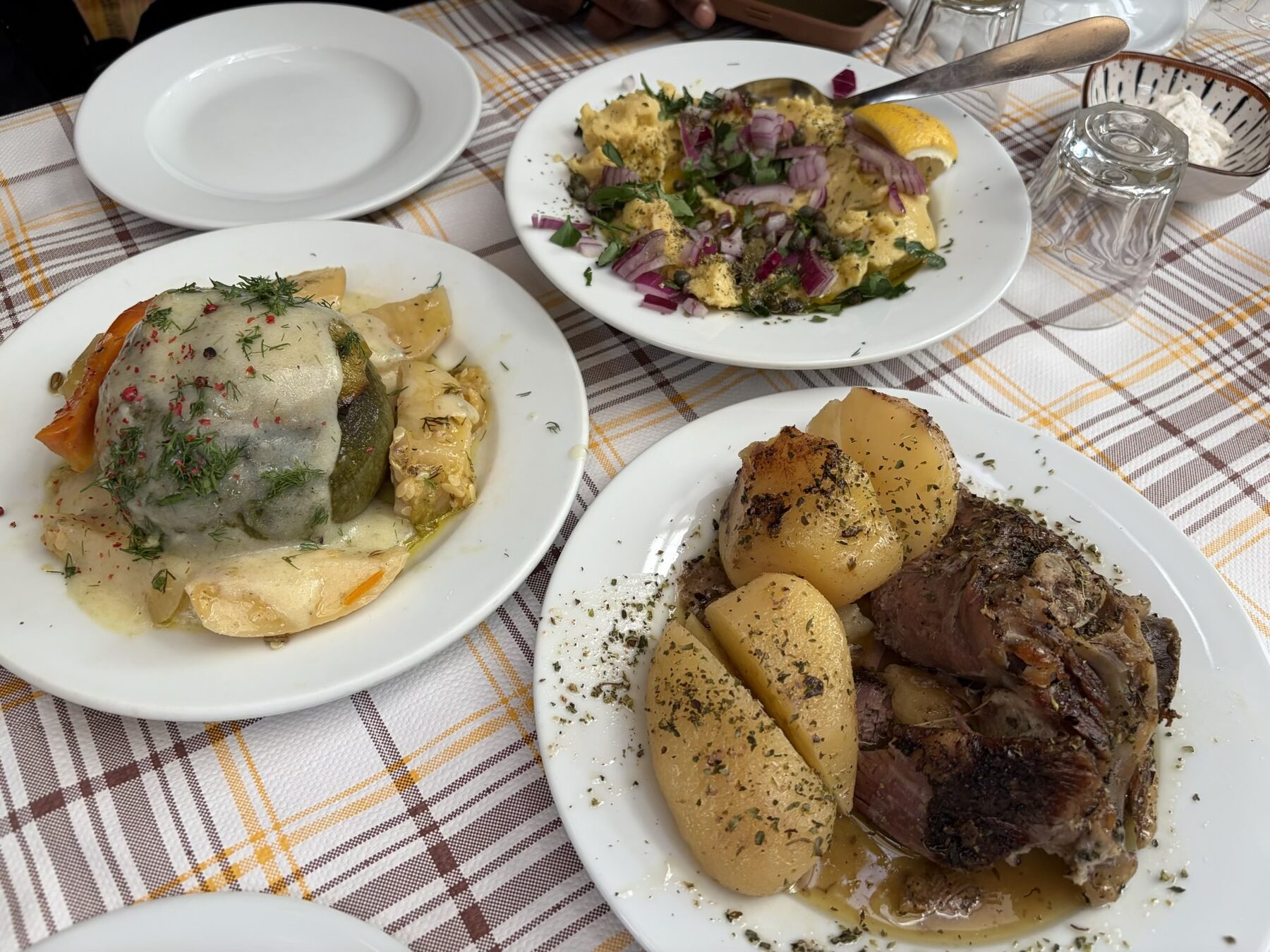
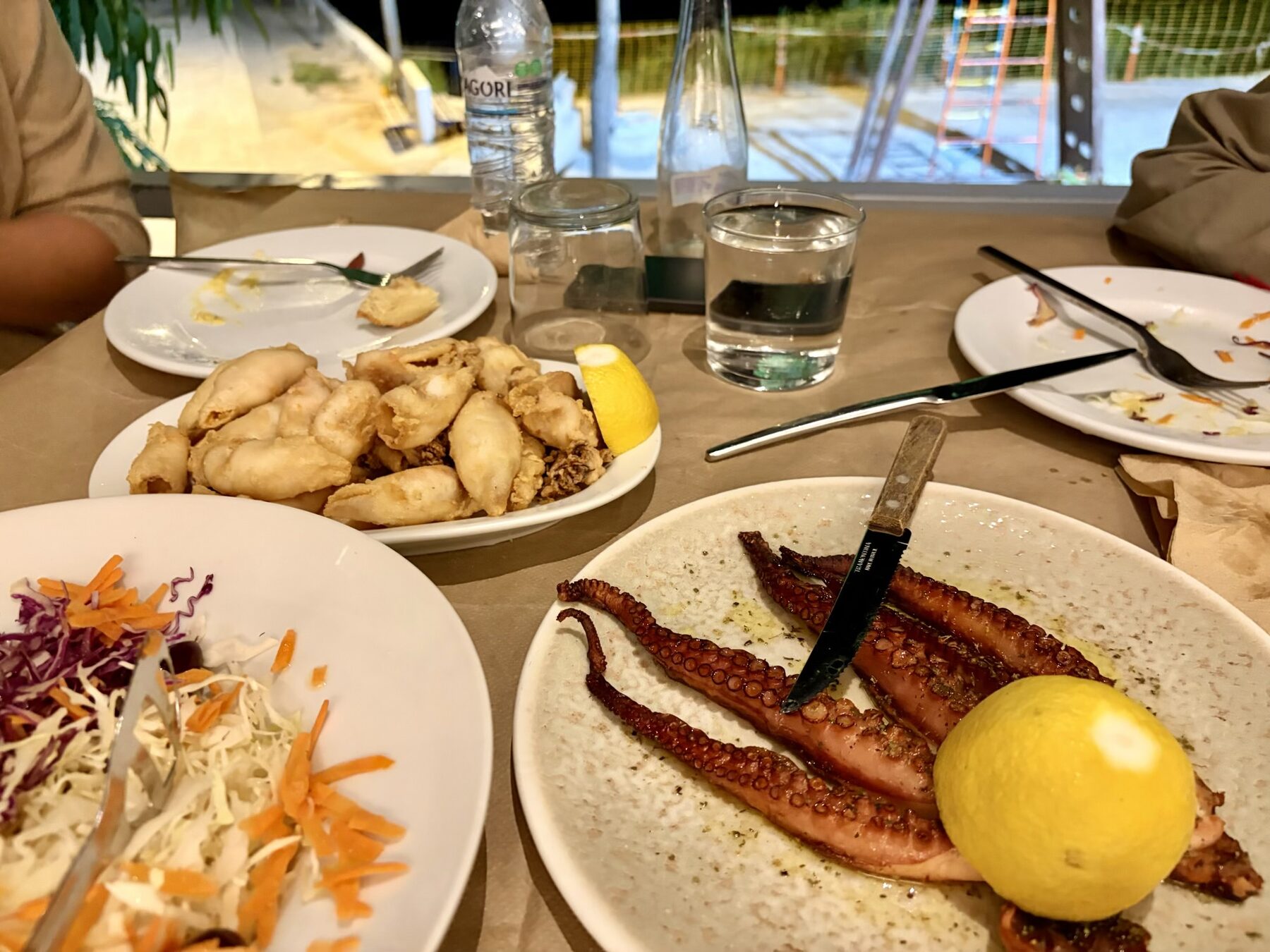
In between, I went for daily dips in the beach behind the hotel, enjoyed Greek cuisine, partied at the pool bar, and hung out in my spacious Airbnb living room-turned community space.
It was a tremendous week, filled with laughter and tears. I’m ready to be done and have space for other pursuits and I will miss being in the program very much.
This was the biggest energy and financial investment made in my personal and professional development since graduating university in 2007. I’m proud of myself for making it happen (whereas uni was driven by parents/teachers) and know that this experience will shape who I’ll become in the coming decades in ways that I can only imagine now.
Hope your road is a long one.
Enoughness
Highlights:
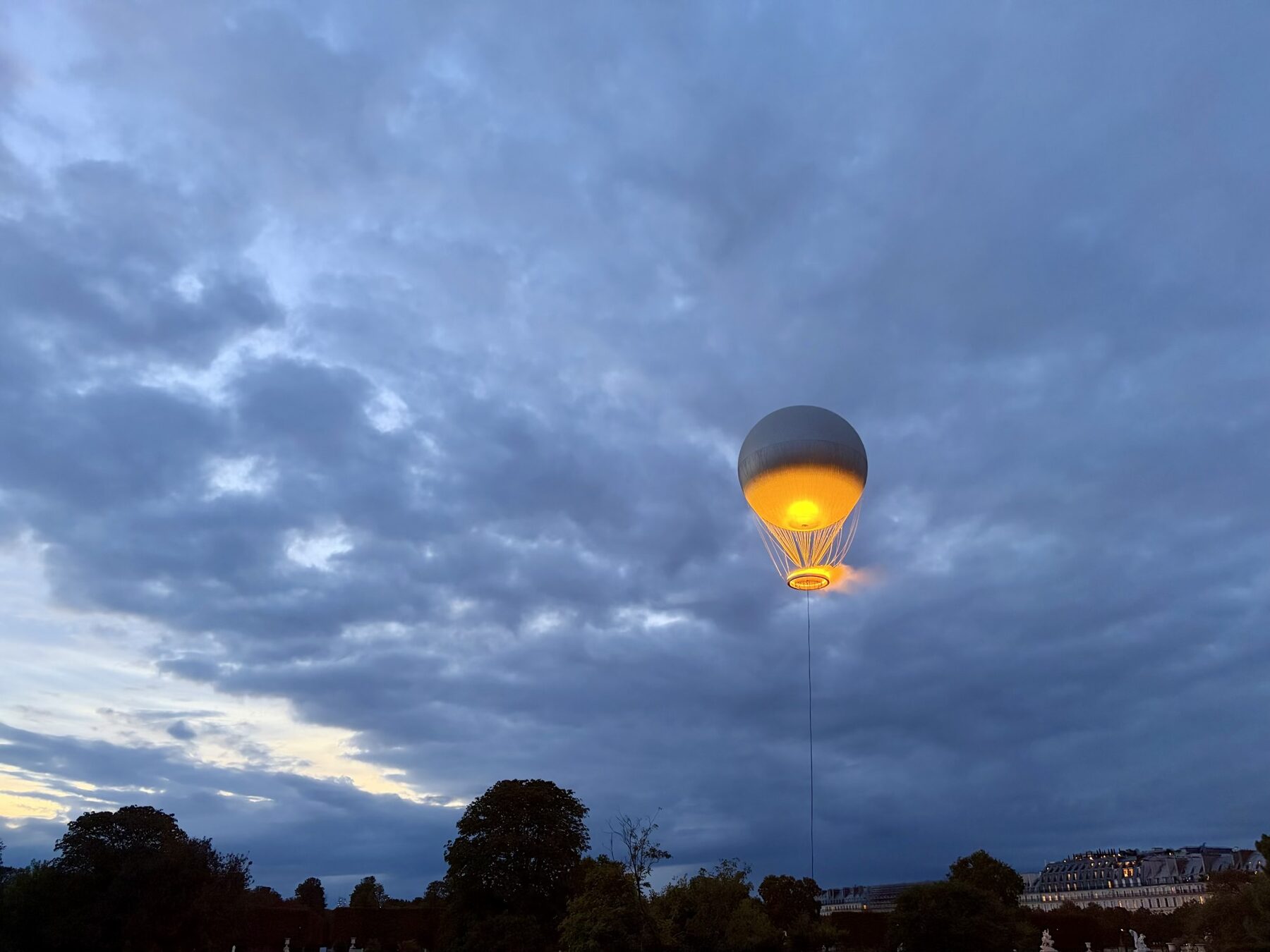
- I meandered along the Seine, from the Eiffel Tower to the Louvre, and got to see the beloved Paris Olympic Cauldron just as it was rising above the Tuileries. It was a magical moment, esp since it’s often grounded by weather.
- A new designer joined us at AQ ‘s Tokyo office. Someone joining our small, tight-knight team is a big deal, so we are excited!
- I spent an afternoon planning a 2hr workshop called “Enoughness and Money” as part of a team-building arc with new collaborators. It was energizing to get creative about bringing this topic to the group, building on 5 years of work on money practices at Greaterthan.
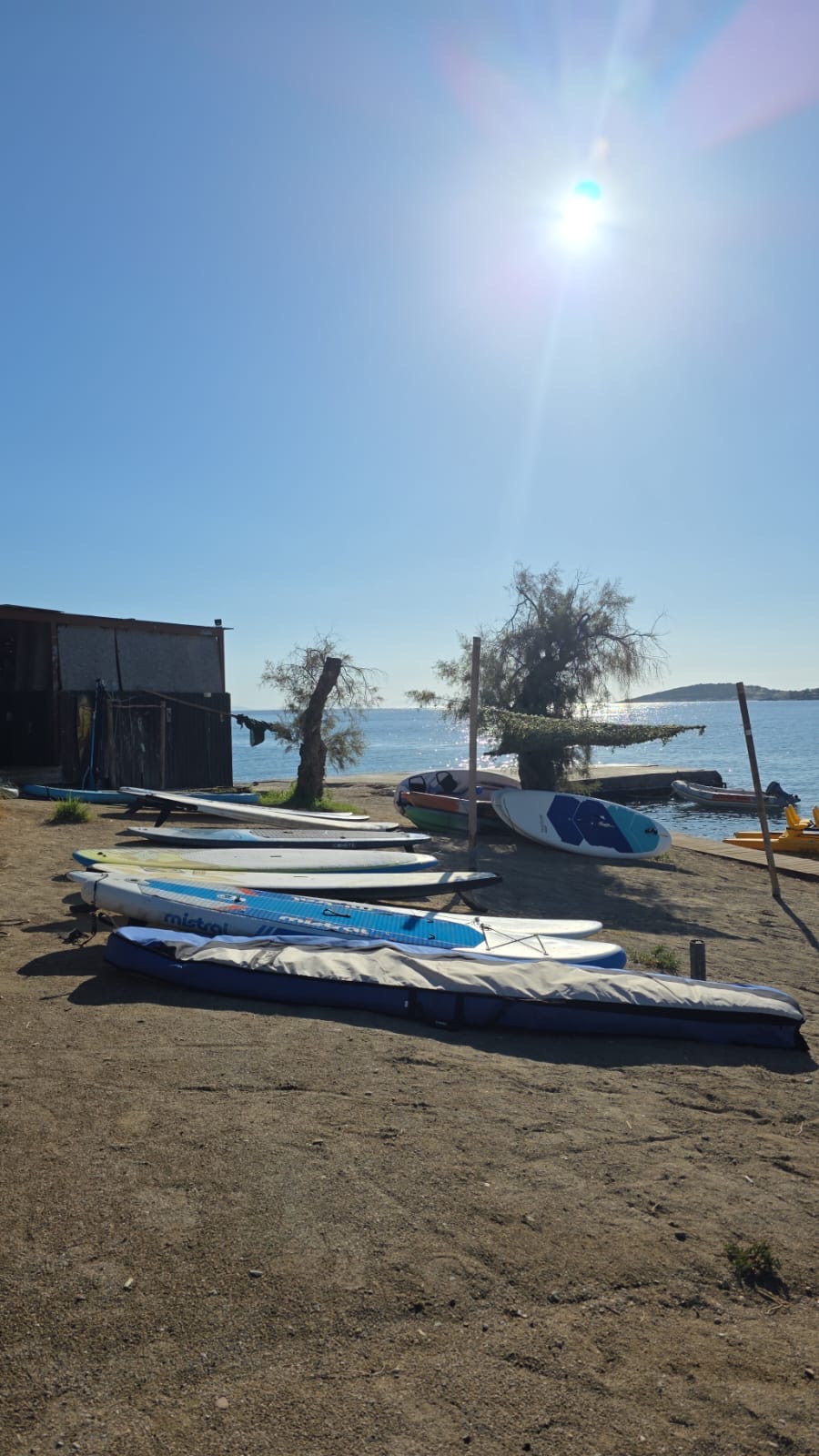
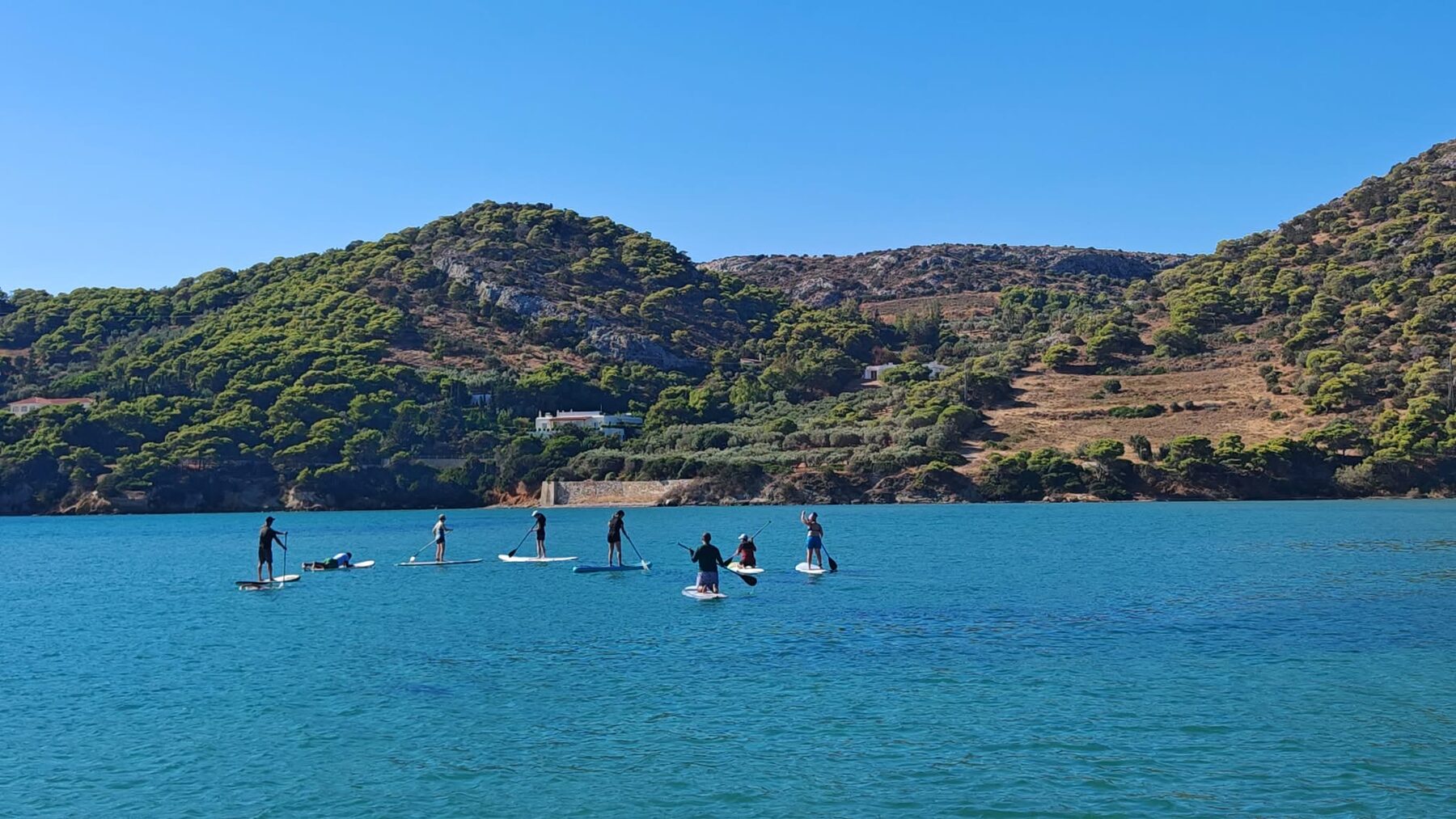
- On the weekend, I flew out to Athens. On Friday I had a fab dinner with a fab friend and on Saturday, joined a morning stand-up paddle session before our training module started.
At the Paris Philharmonie
Oh hey, September
It’s been a calm week at home in Paris.
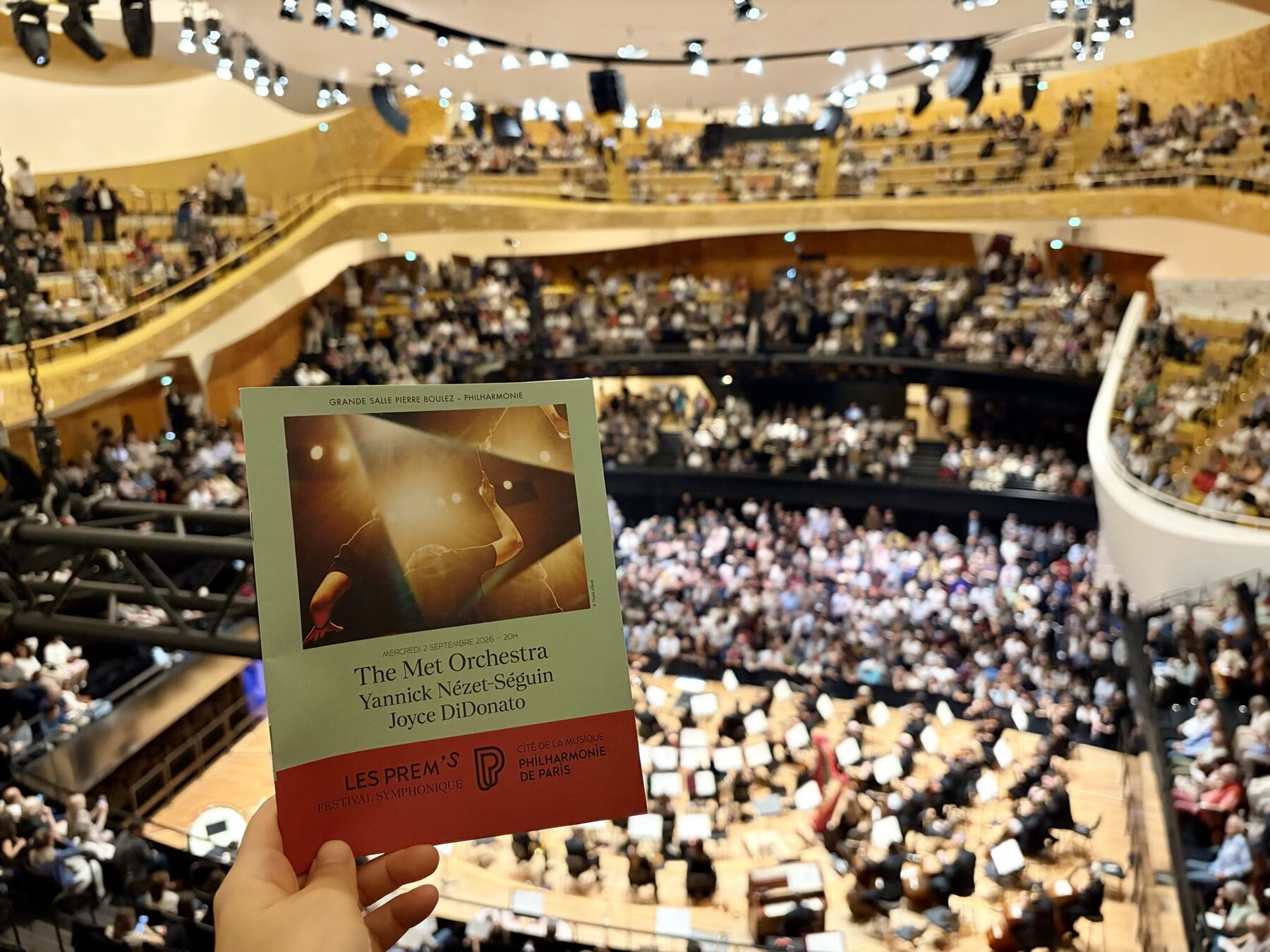
I’m drained from untangling various messes at work and uplifted with an evening at the Philharmonie, a picnic on the Seine, and an impromptu purchase of an autumn coat that I saw in a shop window—among other joyful highlights like publishing my cycling trip report for Estonia, two Sundays in a row of long rides, and several solid book recommendations, given and received.
Someone asked me this question, to which I didn’t have an immediate answer and I’m intrigued to explore:
When you’re reading novels in your native language, what emotions are accessed or amplified (in contrast to English)?


An intense symphony to experience live!
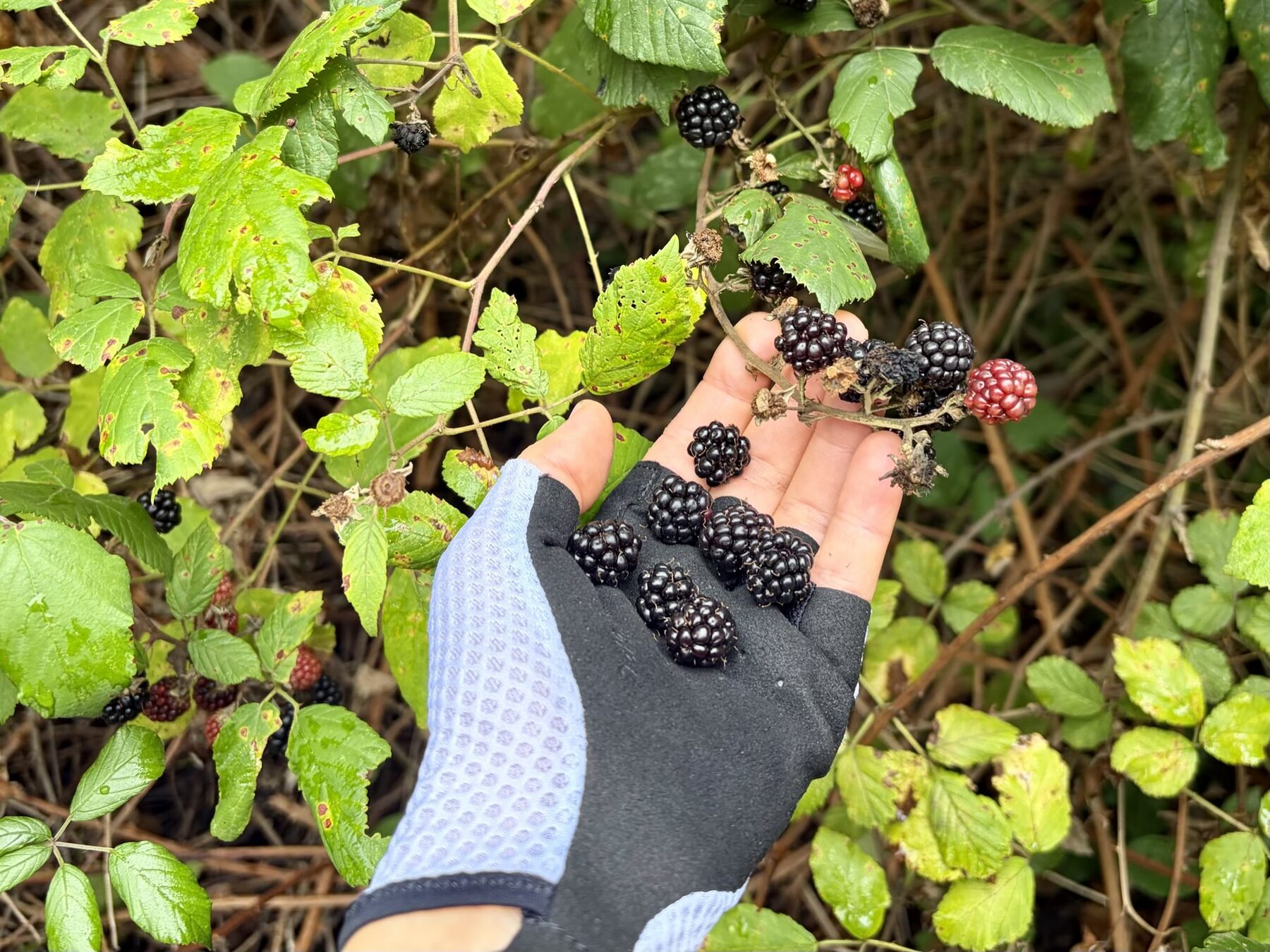
Pit stop to forage berries
Letting go of summer
Arriving home early Monday from Austria was a bumpy way to start the week. I re-calibrated with a few quiet days at home, and filled my cup to the brim with an active weekend, savoring the last weekend of the summer with different friends.
Tuesday was the closing ceremony for Greaterthan, an internal event that followed months of transition procedures by those who’d remained till the end. Hearing the hosts frame the occasion as the last time we’d gather in this configuration slipped me into a quiet, almost melancholic mood. Greaterthan has played such a big role in shaping who I’ve become in recent years, by “activating parts of myself that I’d not really played with before” as one person put it. While I’ll certainly continue to sustain and evolve many of the relationships, I’ll miss belonging to this group—this grand group of human beings who shared so many ideals, and incredible stamina for upholding the space to bring them to life. An end of an era.

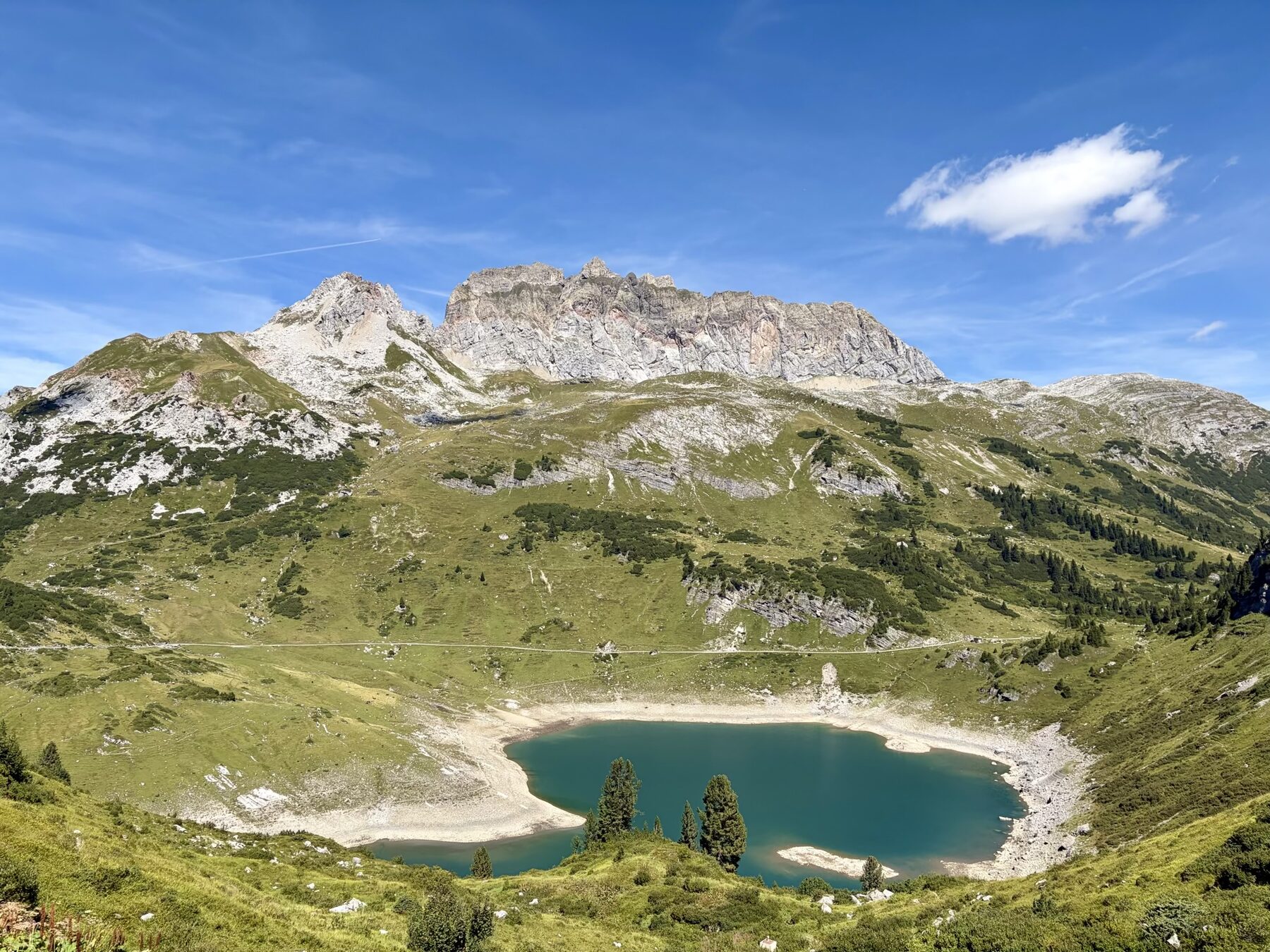
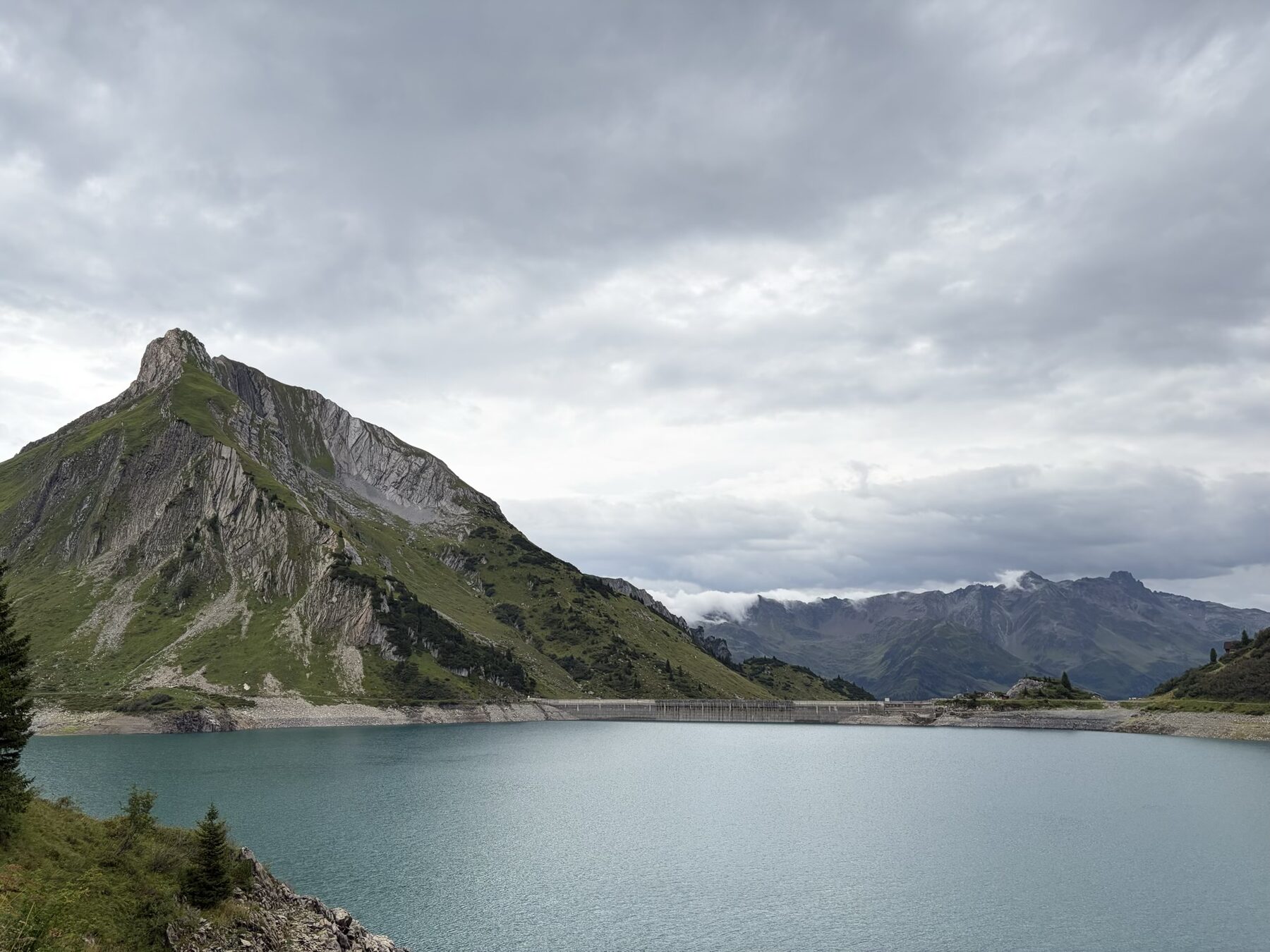
Formarinsee and the Red Wall
Breathing in the alpine tundra
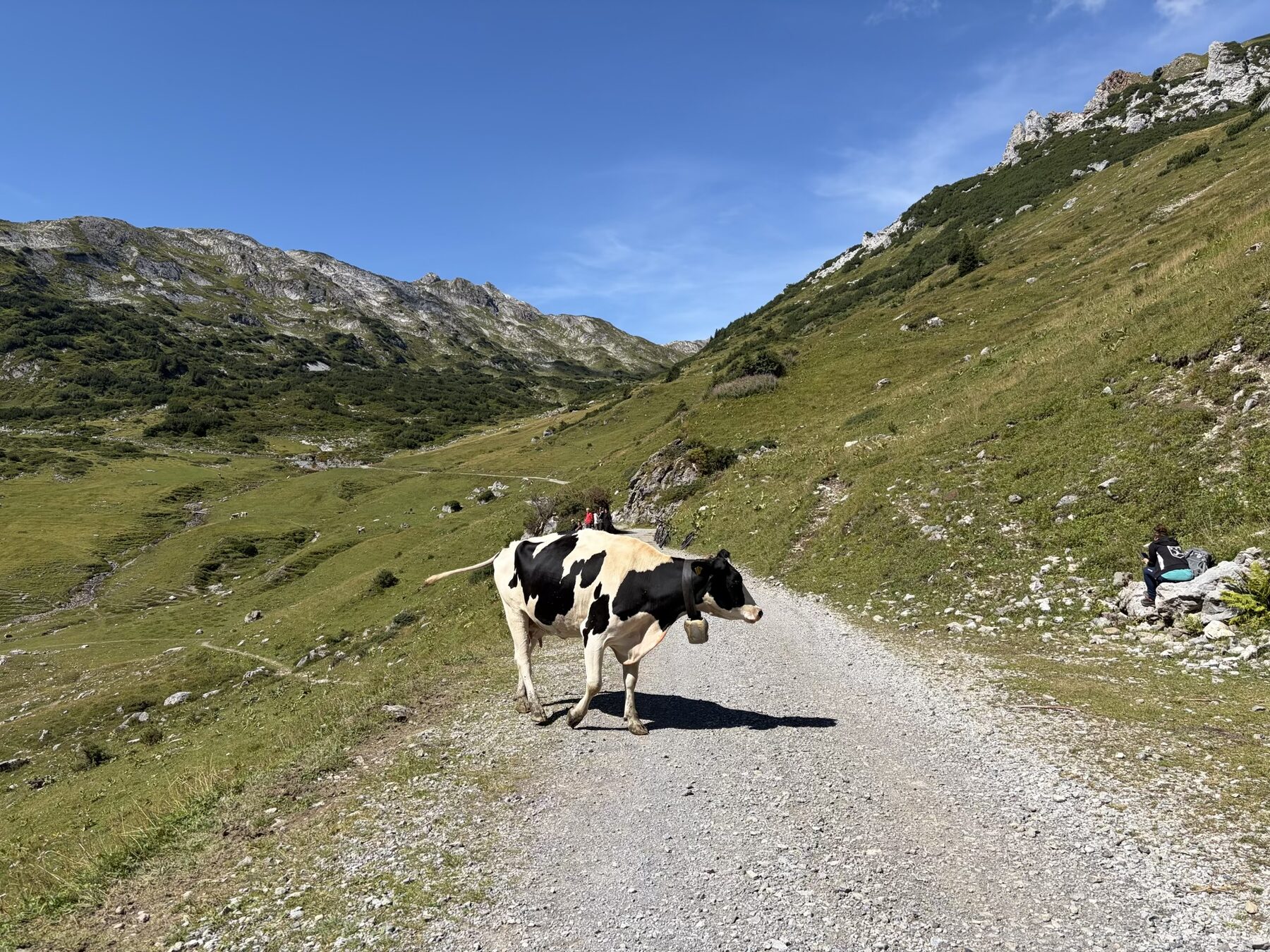
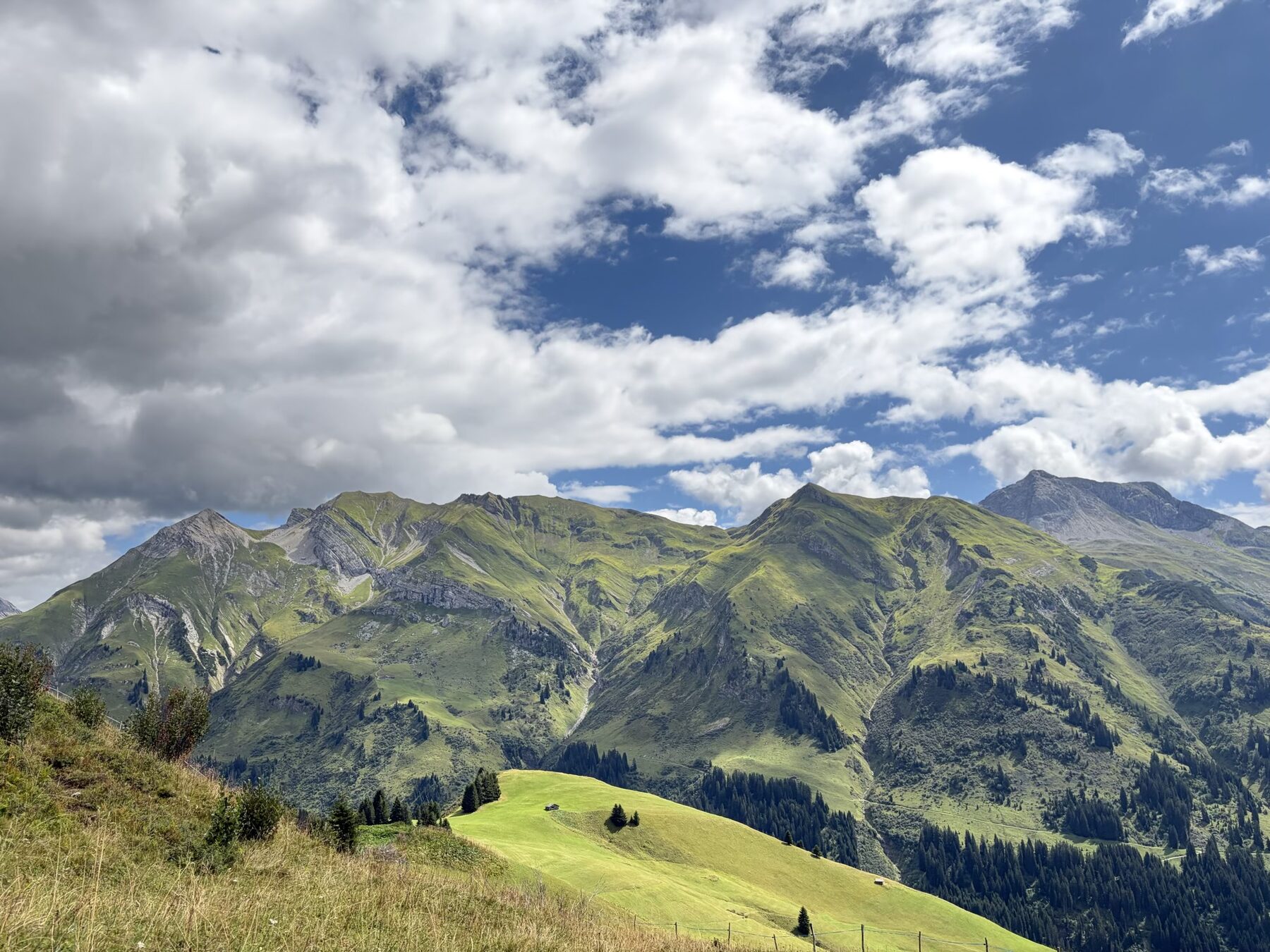
I spent the first half of the week home in work mode, then joined friends in the mountains of Vorarlberg, the westernmost part of Austria.
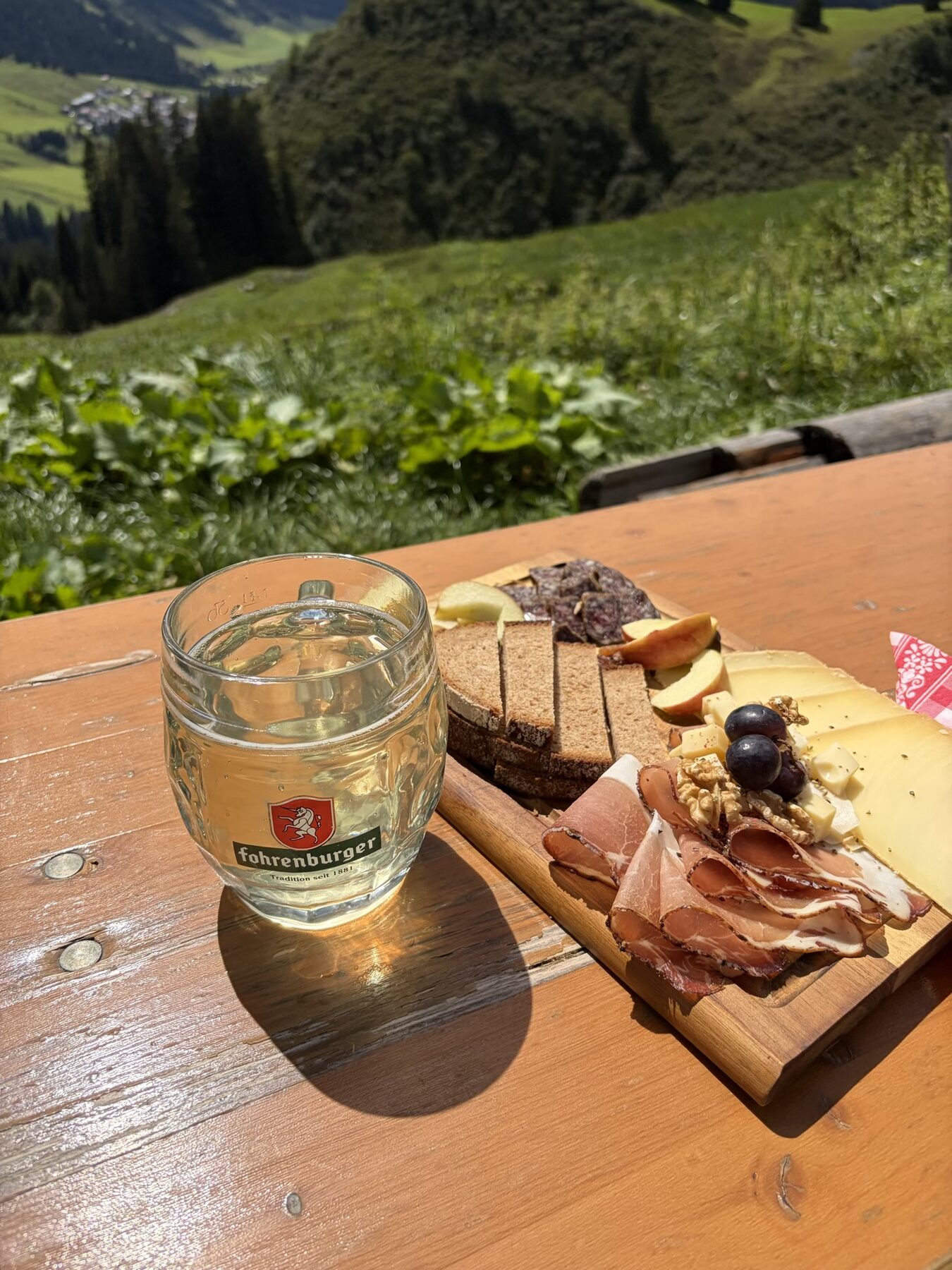
It was my first time in this particular region, but I immediately loved the mountain passes, the mist, the lakes, the huts… We went on daily excursions, never mind the rain, and I’m coming to the realization that alpine tundra may be my favorite landscape!
Alpine tundra is a type of natural region or biome that does not contain trees because it is at high elevation, with an associated harsh climate. The high elevation causes an adverse climate, which is too cold and windy to support tree growth. Alpine tundra transitions to sub-alpine forests below the tree line; stunted forests occurring at the forest-tundra ecotone are known as krummholz. With increasing elevation it ends at the snow line where snow and ice persist through summer. (Wikipedia)
In hommage to that, let’s geek out on kit.
I’ve been building my onebag travel kit for 4-6 day trips in Europe that combine long-distance train travel and day hikes. Typically I’m wrapping a few days around the weekend to visit a friend. Since this is a trip format that I take a few times a year, and want to continue to enjoy, I’ve become deliberate about developing competencies and heuristics to make it as simple and comfortable as I can get it.
For the bag, a 26L backpack has proved to be the perfect size. I can slip in a laptop or throw in gifts and lunch without overthinking it, but it’s small enough that I can easily squeeze through a crowded station.
I’ve picked up a pair of light trekking boots, which has been great for times when I know we’ll be hiking, but not enough to warrant lugging around my beloved leather Hanwags. My cycling waterproof jacket works well for any other sport or as casual town wear—it’s become a piece of clothing that I use more than I expected.
For this trip, I pulled out an old 12L hydration vest out of the closet. I got it in 2015 for a marathon and haven’t used much since. Seeing the running vest category explode in recent years inspired me to try it for hiking and cycling, and I’m now sold on its benefits.
The key pieces of kit are:
- Backpack: Boondocker from Passenger
- Travel “purse”: the Yamatomichi sacocche which fits a phone and Kindle
- Outings backpack: the Oxsitis Pulse 12 with a 1.5L CamelBak bladder
- Jacket: Salomon Outscape for winter OR the packable Rab Phantom Jacket
- Hiking shoes: Women’s Trekker Lite III from the Italian brand aku
- Town shoes: Sketchers Slip-ins Reggae Slim in the summer OR sneakers
- Speakers: When I have solo hotel stays, I bring the JBL Go 5 to keep me company
Future improvements on my radar are:
- Buy trail running poles
- Try a shoe bag and strap system to secure the trekking shoes onto the backpack
- Add shock cords to the hydration vest, so I can strap on an extra jacket